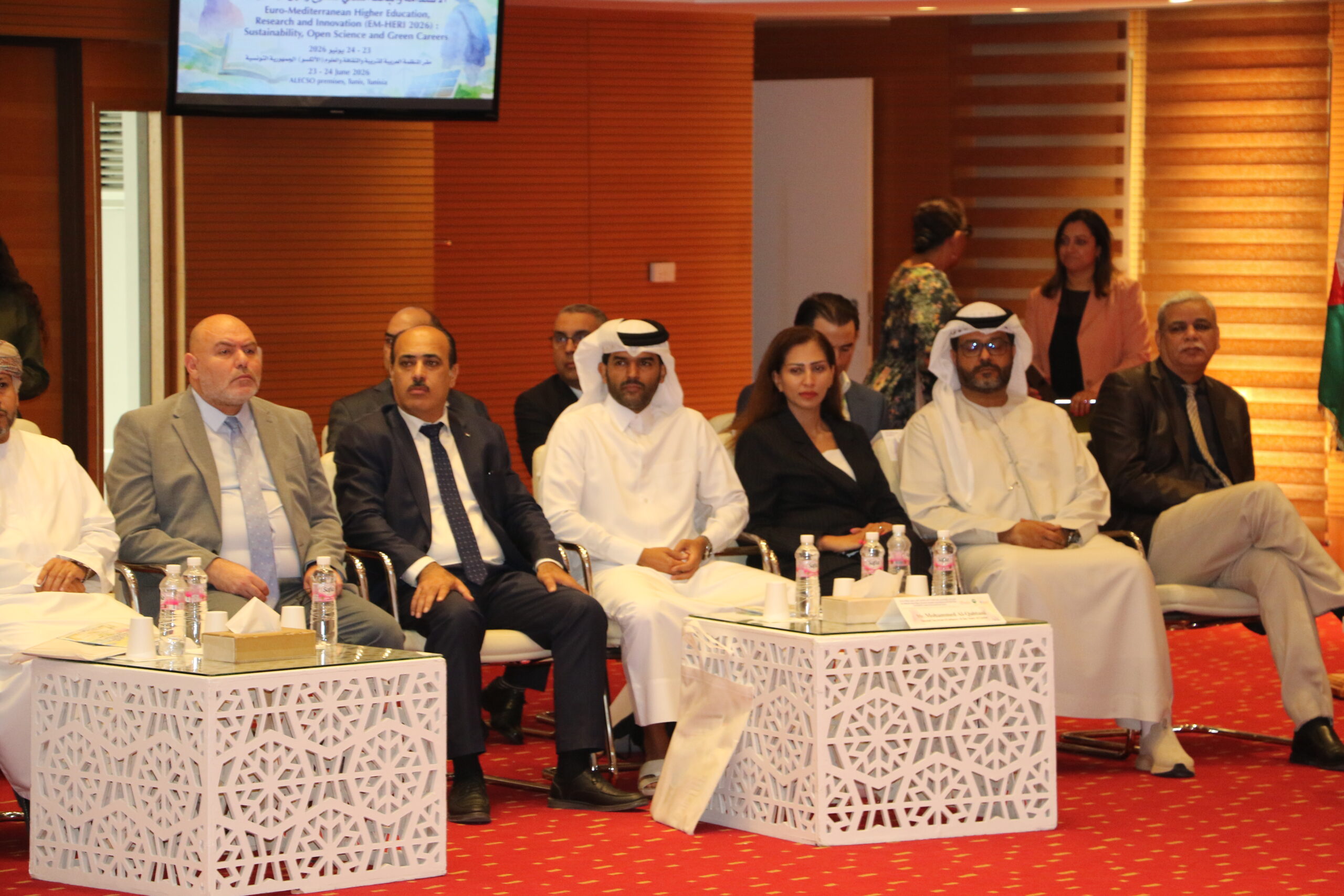
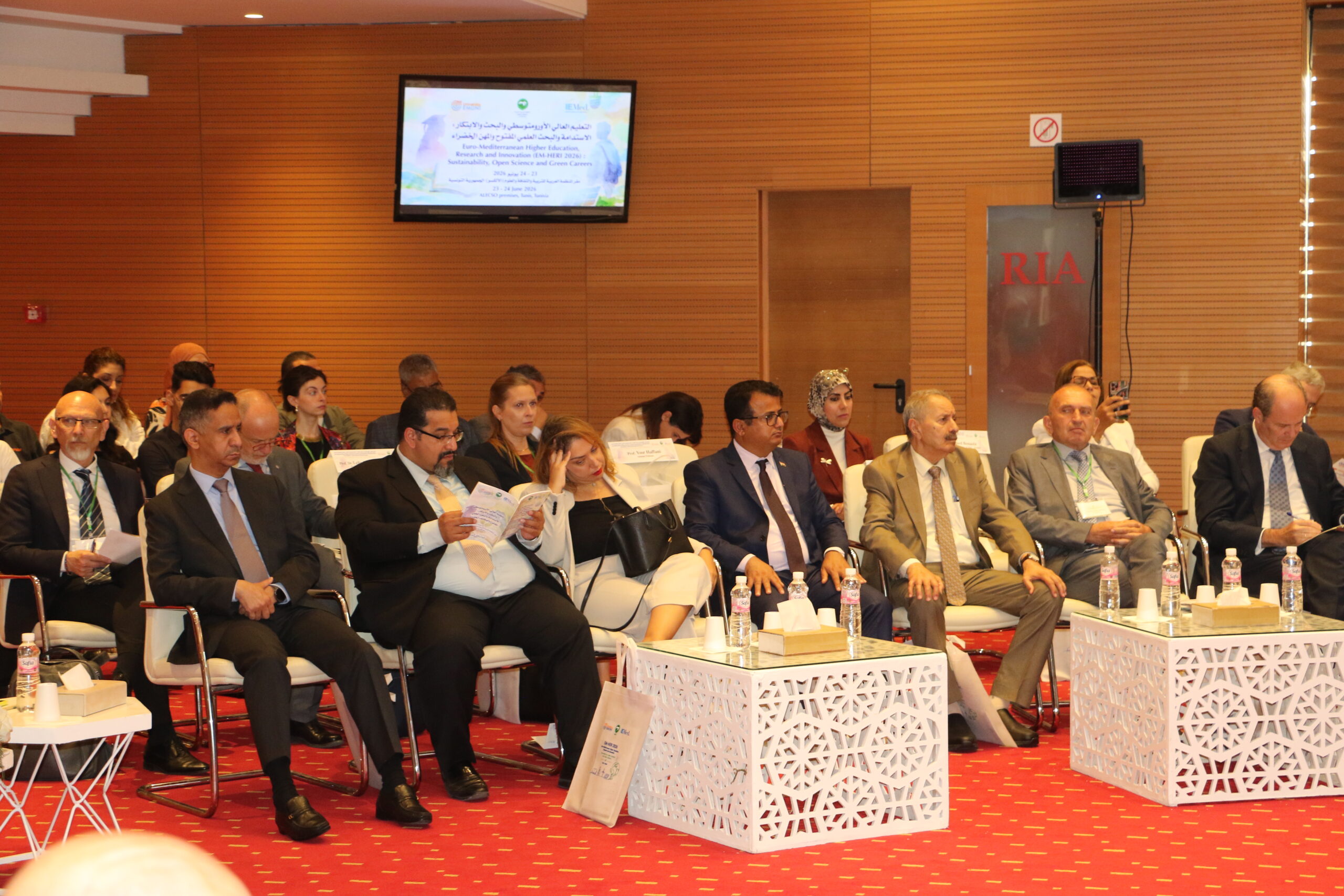
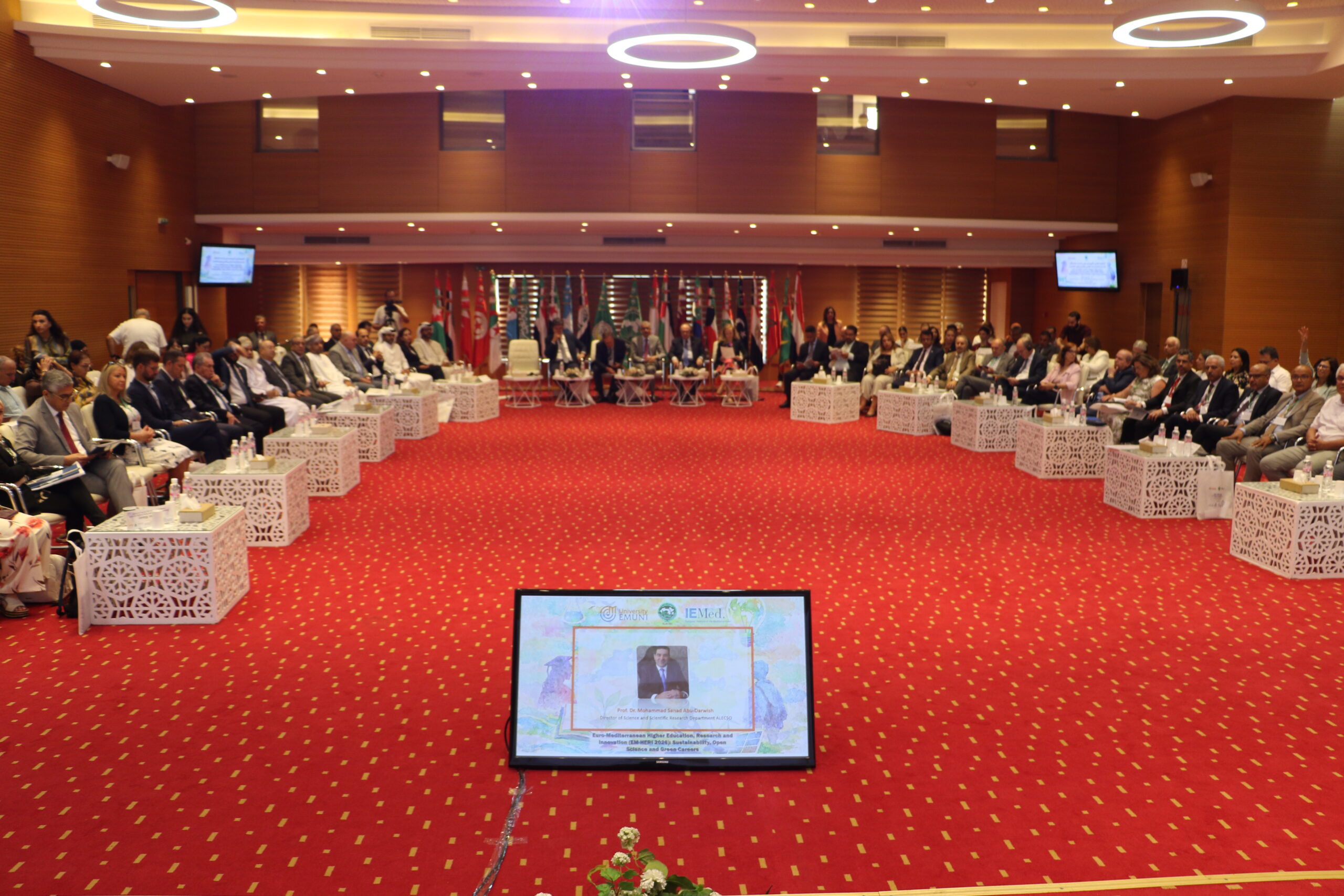
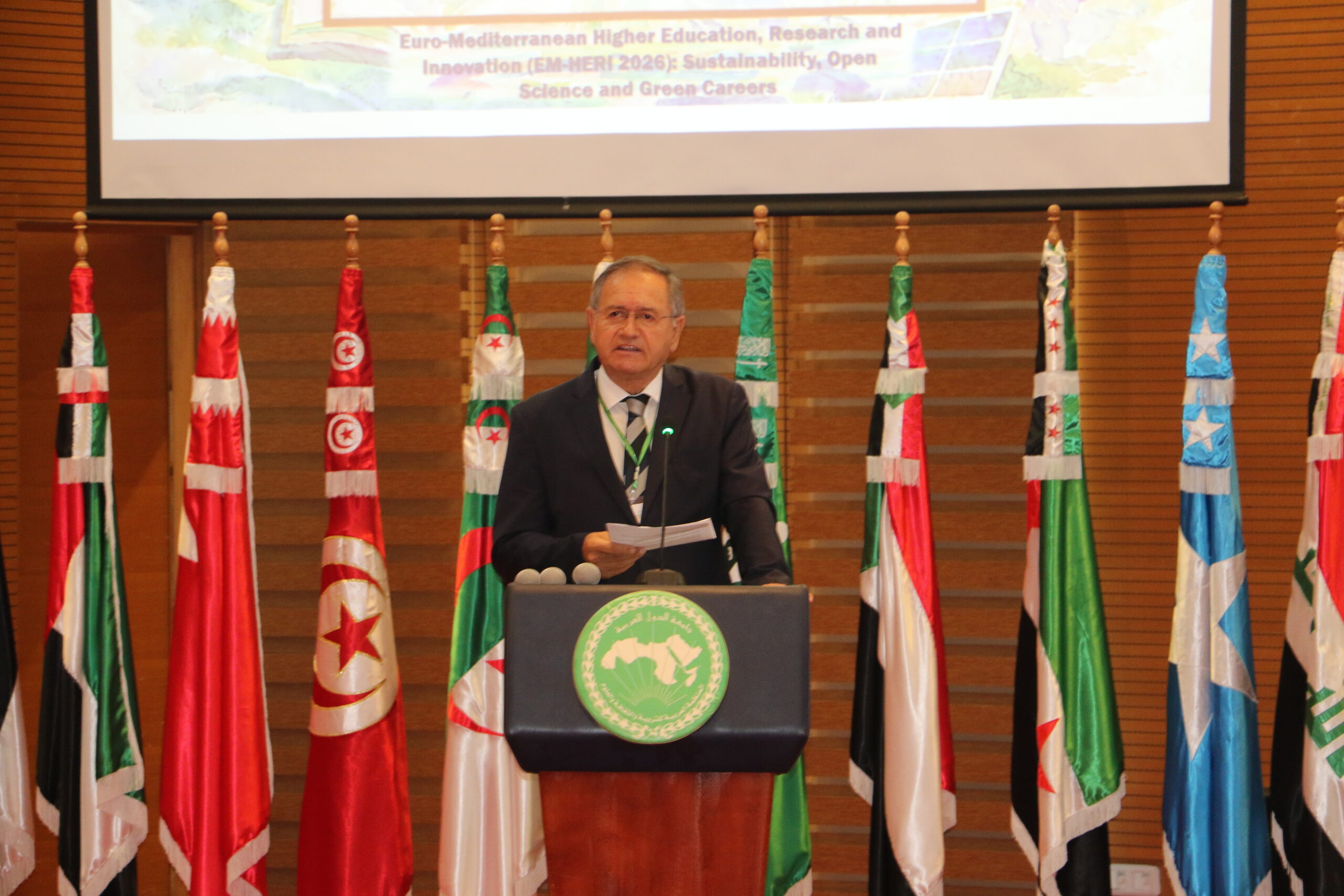
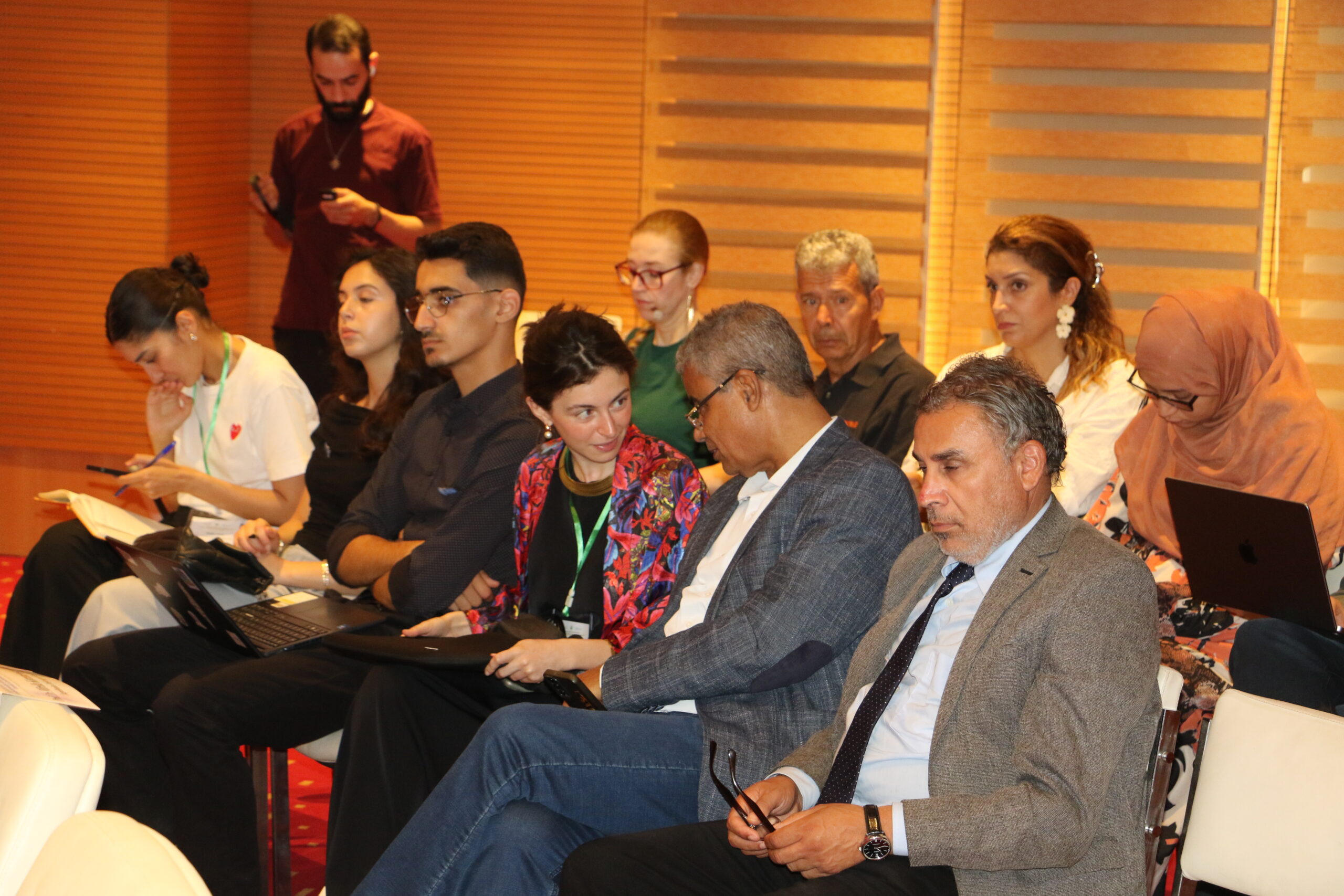
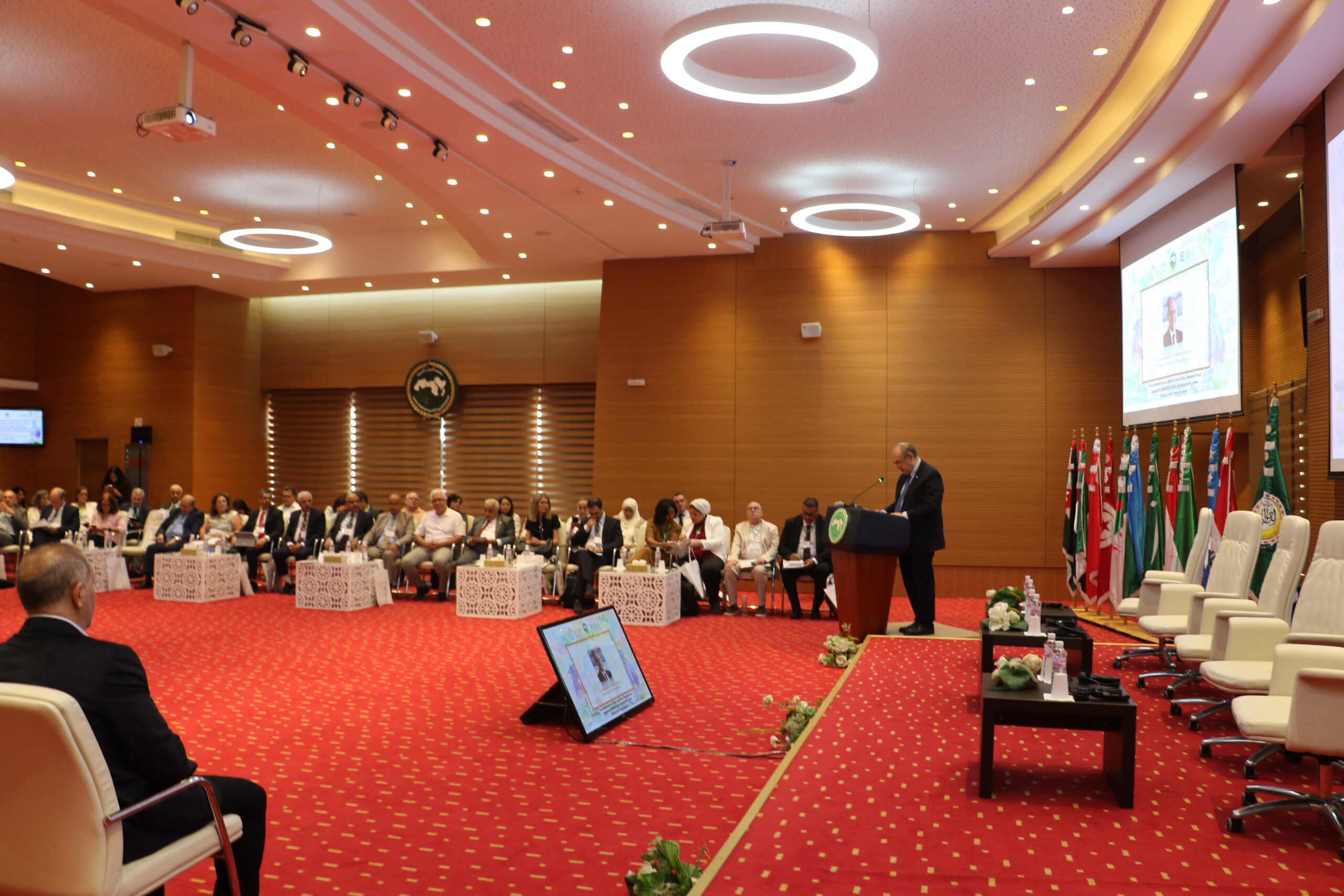
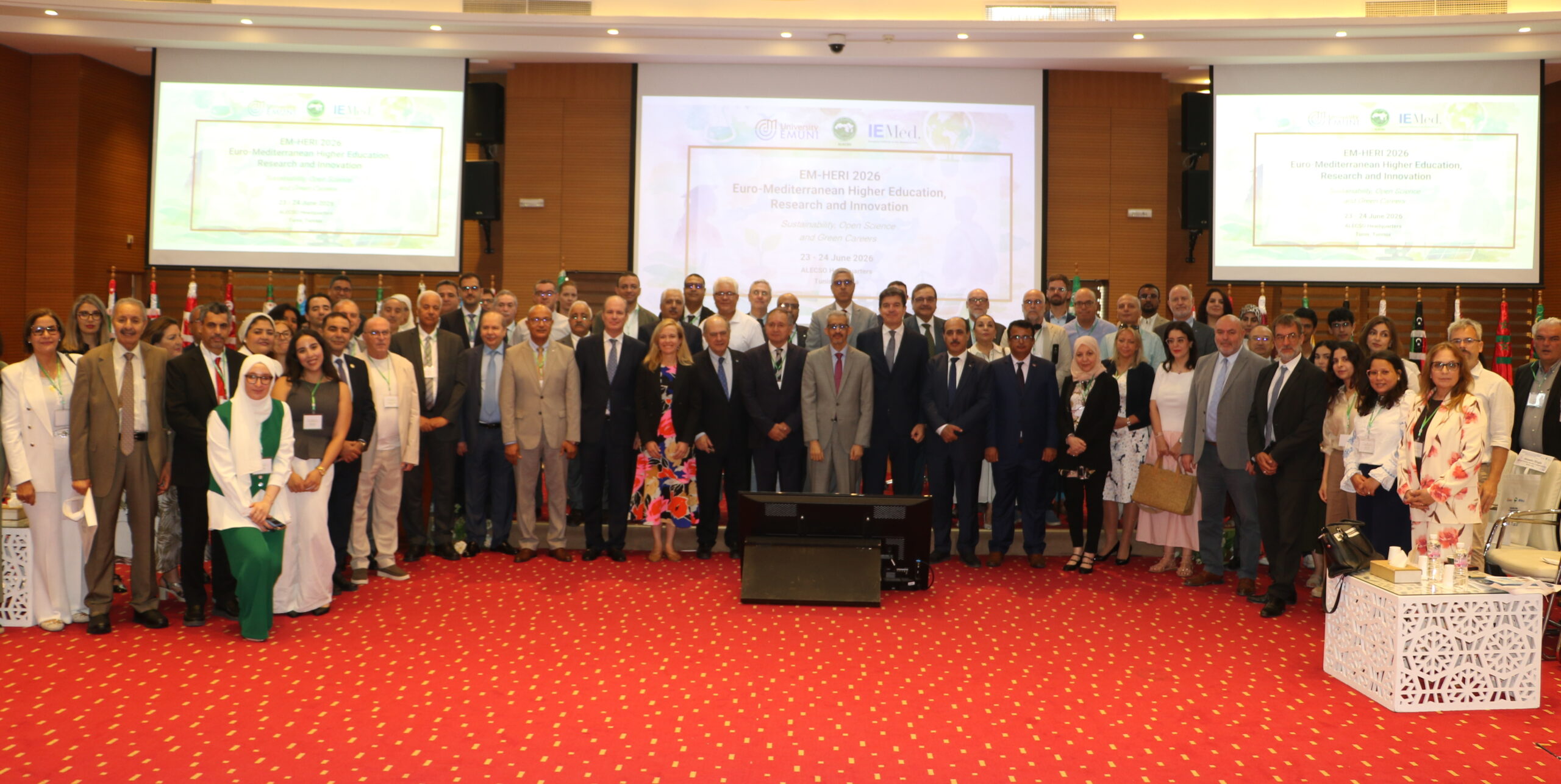
TUNIS, Tunisia – 24 June 2026 – The International Scientific Conference EM-HERI 2026: Euro-Mediterranean Higher Education, Research and Innovation, held on 23–24 June 2026 at the headquarters of the Arab League Educational, Cultural and Scientific Organization (ALECSO) in Tunis, concluded successfully after two days of high-level discussions, strategic dialogue, scientific exchange, and international cooperation focused on Sustainability, Open Science and Green Careers.
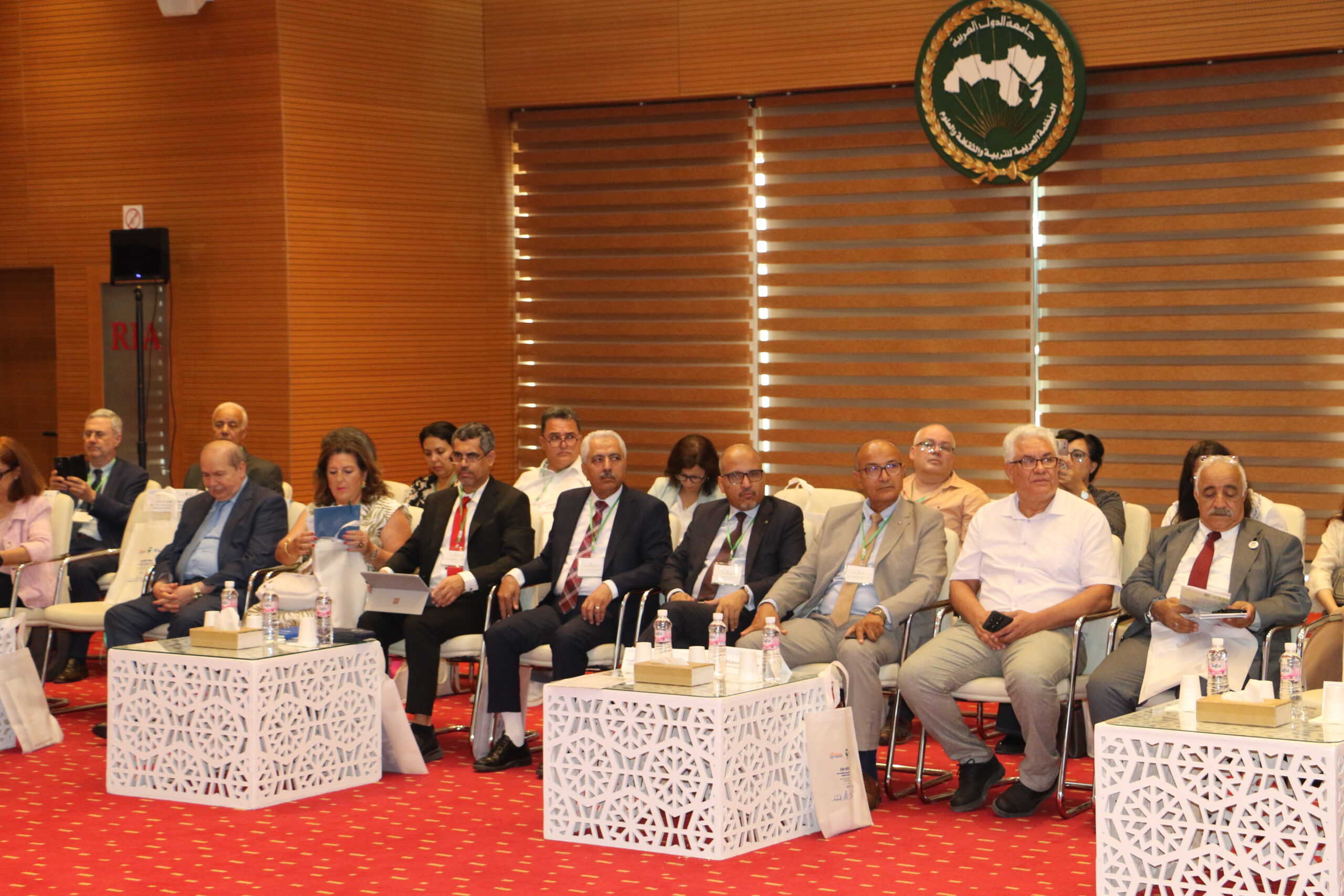
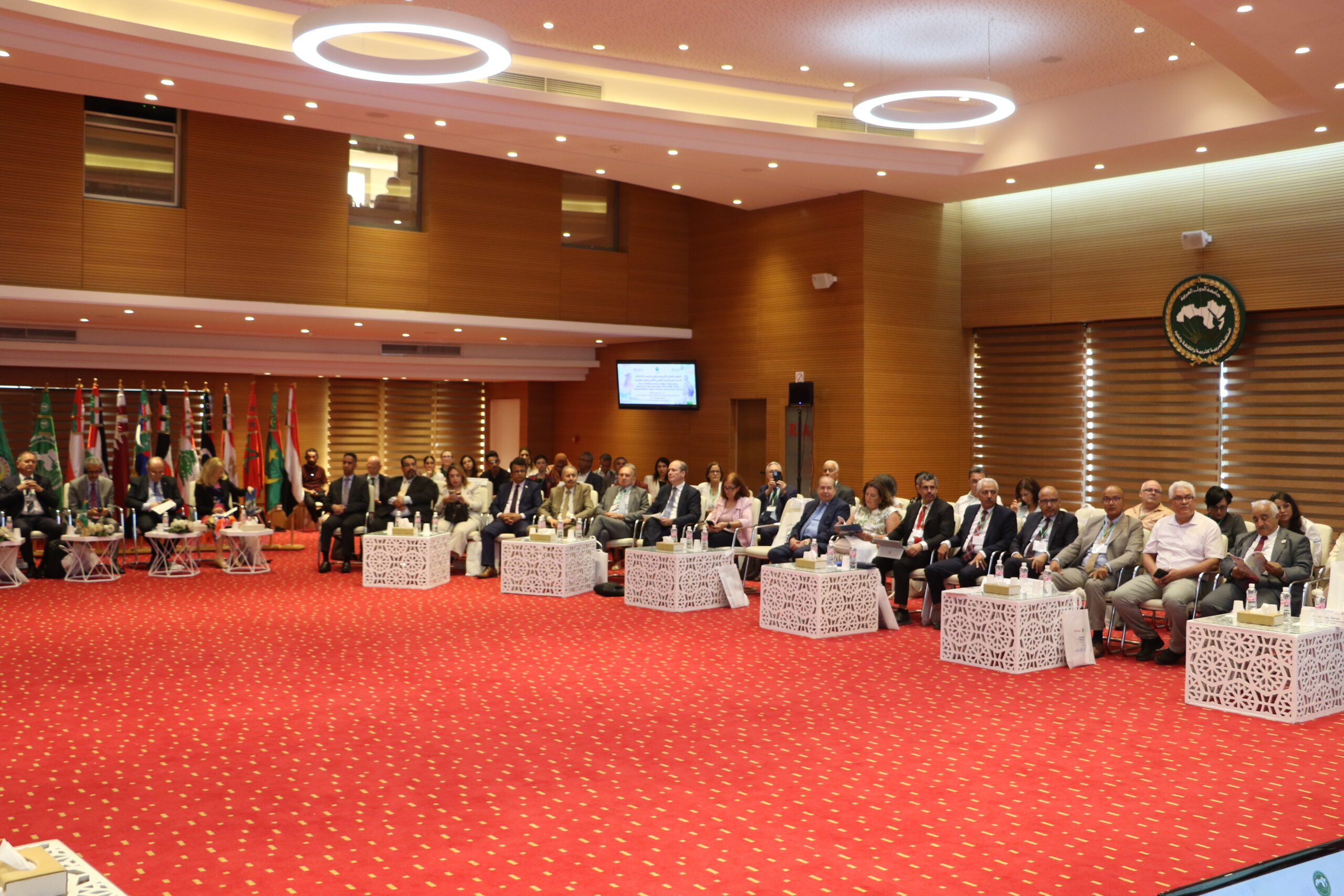
Organized through the collaboration of EMUNI University, ALECSO, and the European Institute of the Mediterranean (IEMed), the conference welcomed an exceptional gathering of ambassadors, university presidents, directors-general, researchers, policymakers, quality assurance experts, and representatives of international organizations from across Europe, the Mediterranean, the Arab region, and beyond. The event reaffirmed the commitment of participating institutions to strengthening Euro-Mediterranean cooperation in higher education, research, innovation, sustainability, and academic mobility.
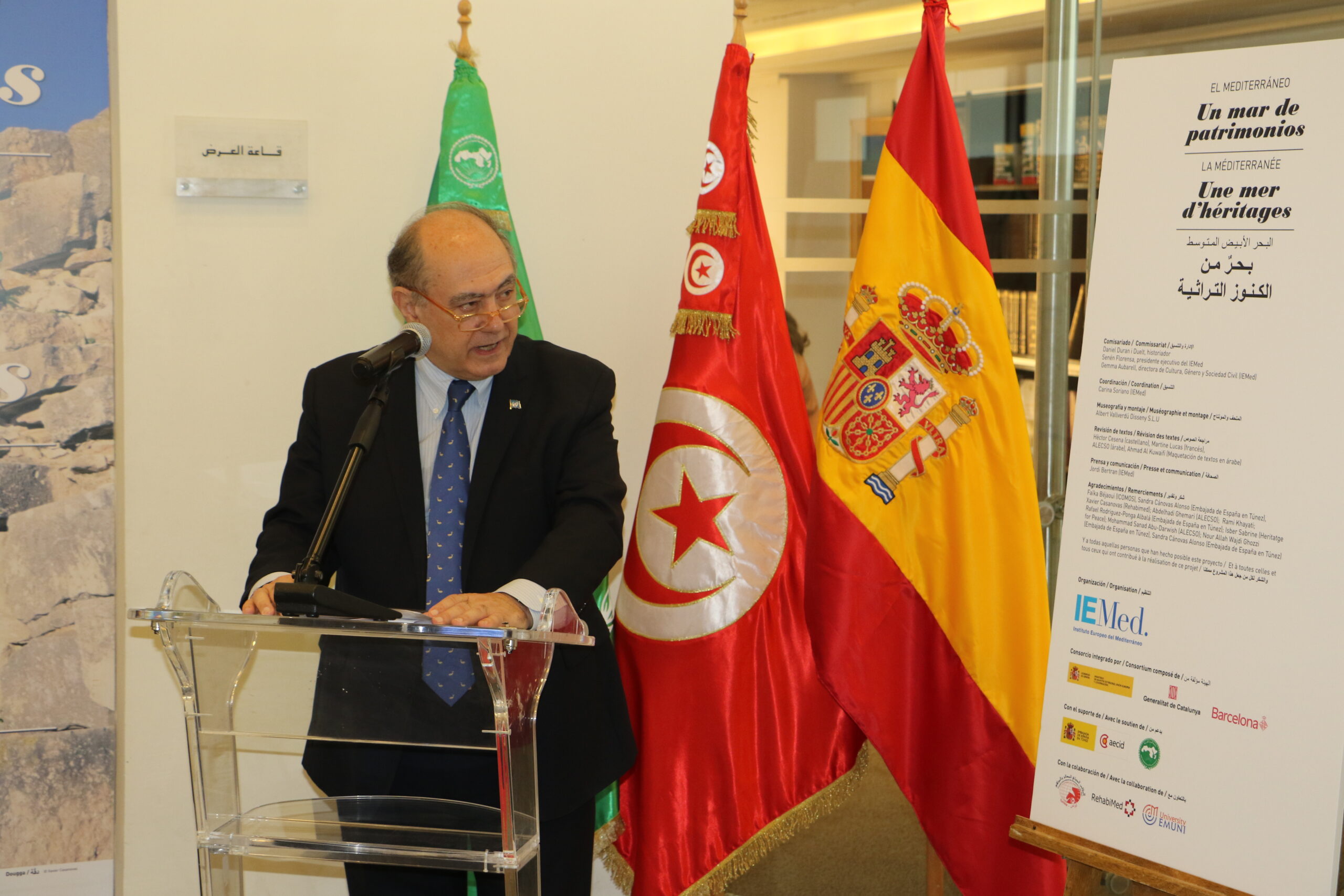
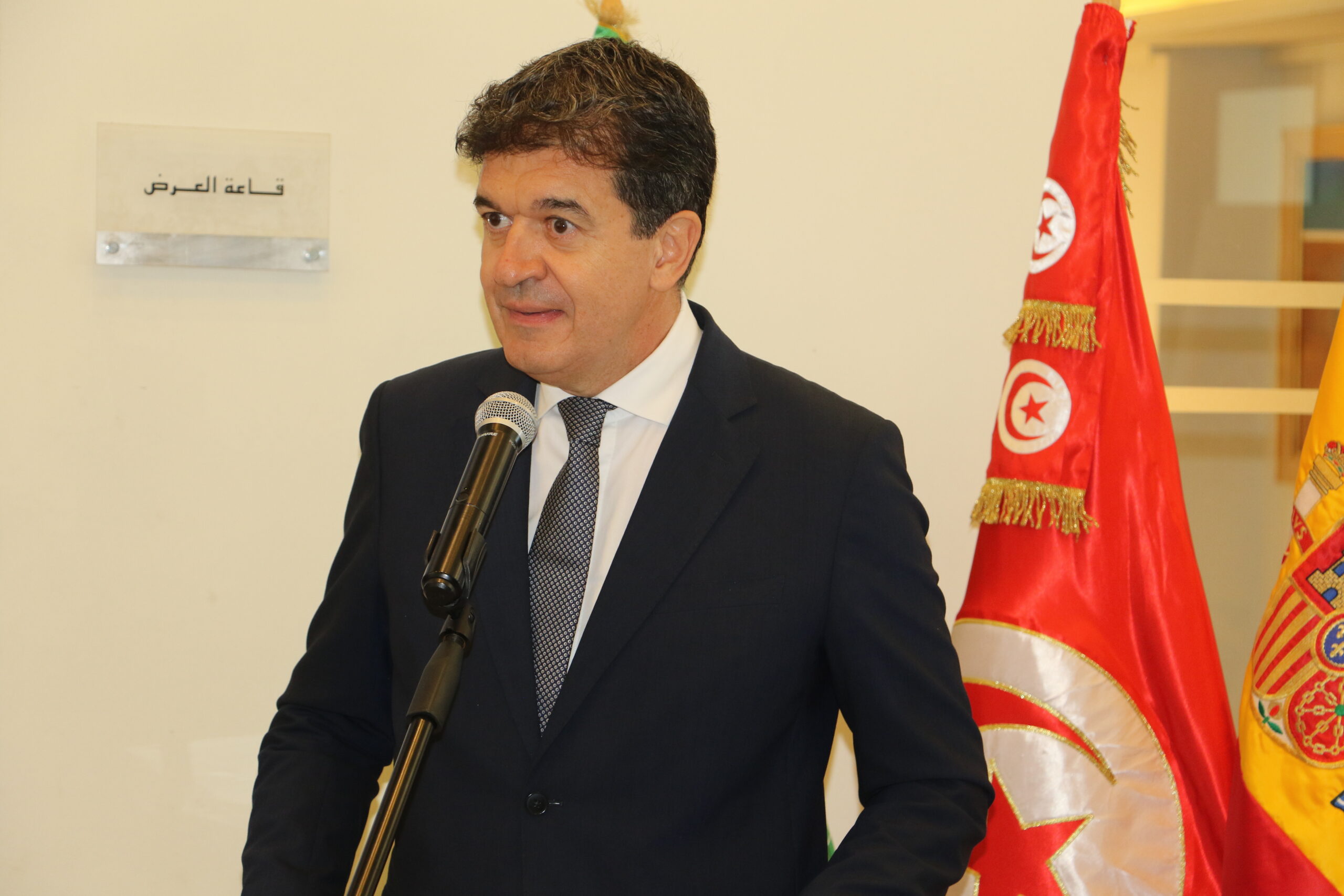
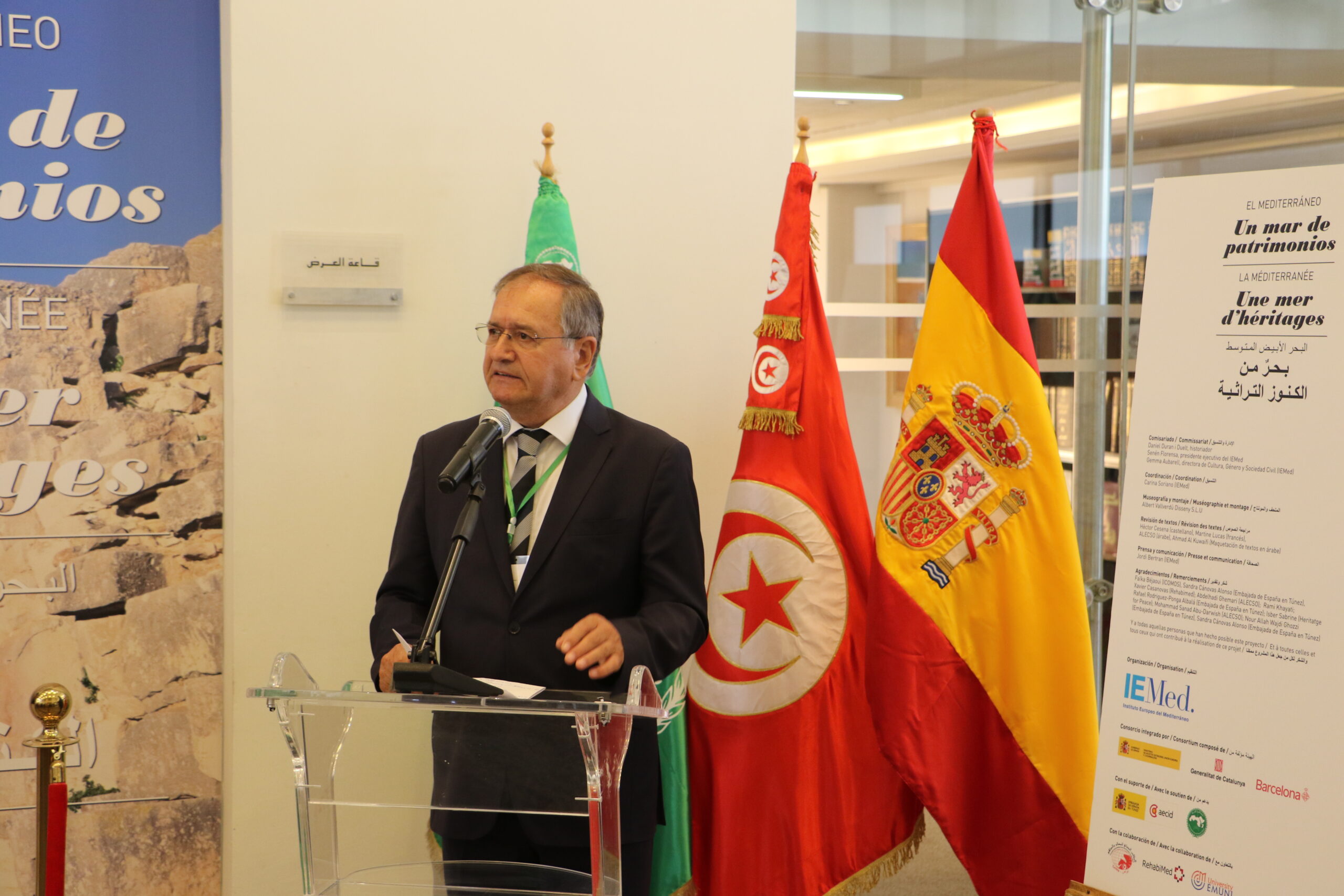
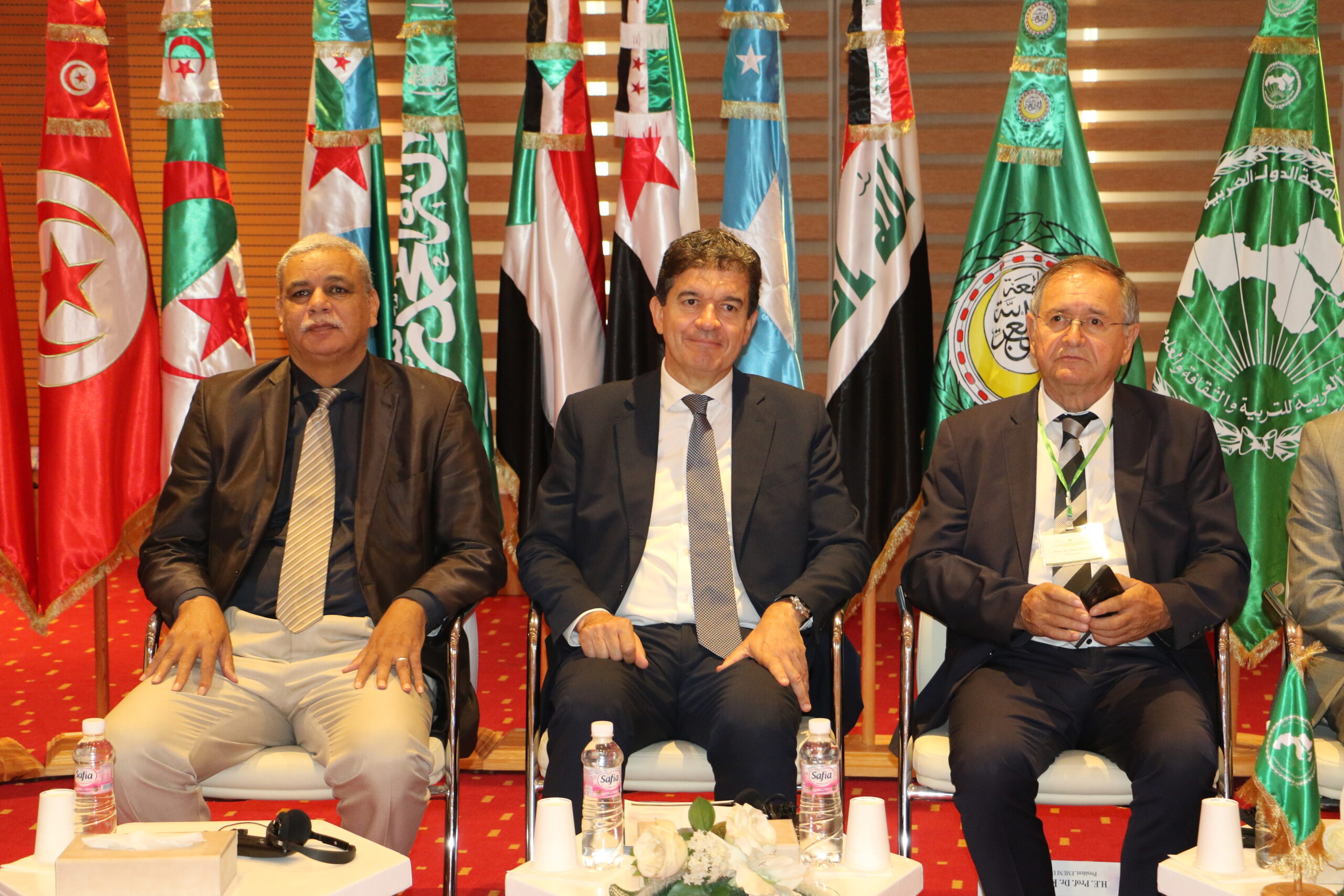
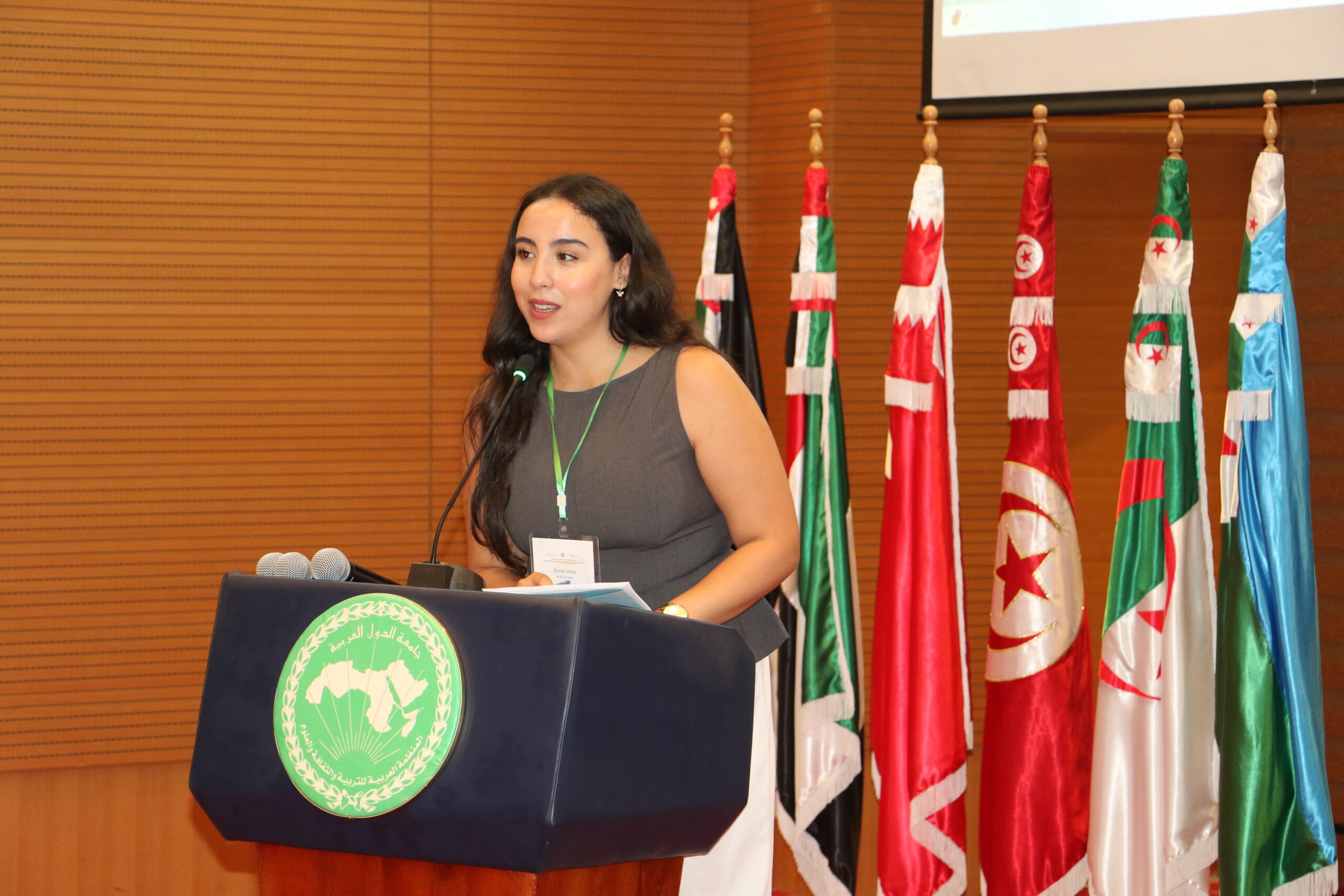
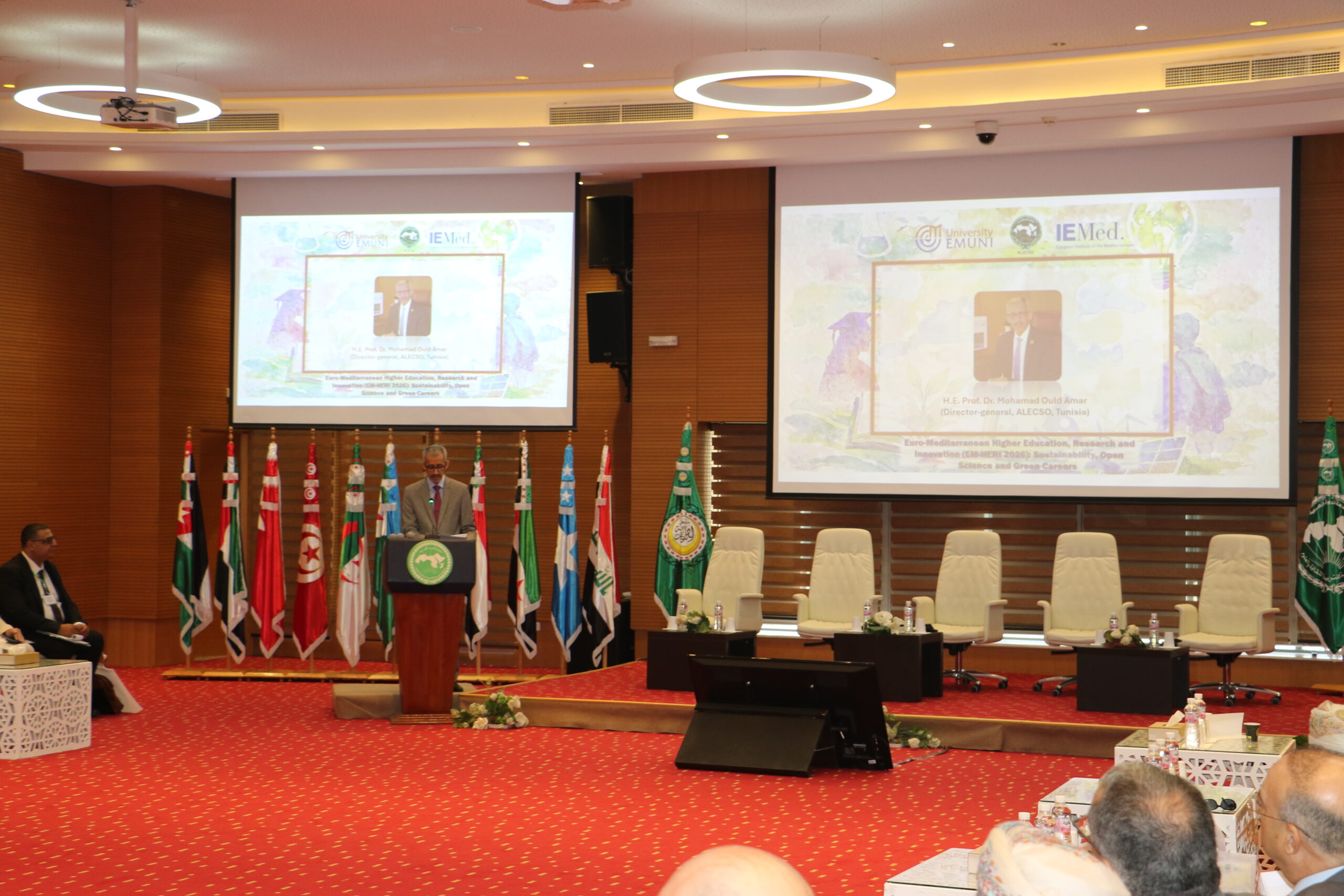
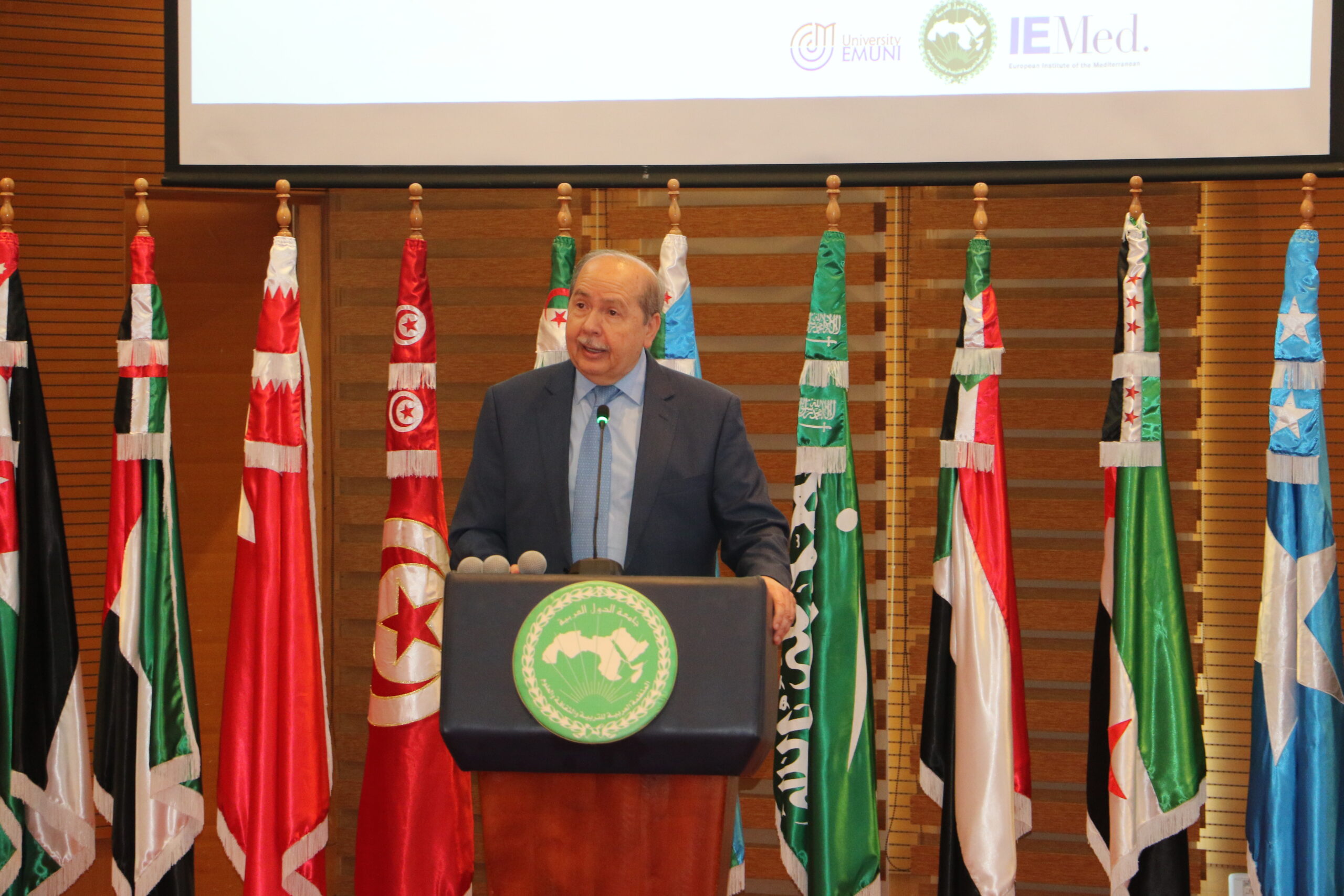
The conference officially opened with welcoming remarks delivered by Prof. Dr. Mohammad Sanad Abu-Darwish, Director of the Science and Scientific Research Department at ALECSO; H.E. Prof. Dr. Rado Bohinc, President of EMUNI University, Slovenia; H.E. Ambassador Dr. Senén Florensa, General Director of the European Institute of the Mediterranean (IEMed), Spain; and H.E. Prof. Dr. Mohamad Ould Amar, Director-General of ALECSO, Tunisia.
In their addresses, the speakers emphasized the growing importance of international academic cooperation, scientific excellence, innovation-driven development, and the collective responsibility of higher education institutions in addressing global sustainability challenges. They highlighted the need for stronger partnerships between universities, research institutions, governments, and international organizations to build a more inclusive and knowledge-based future.
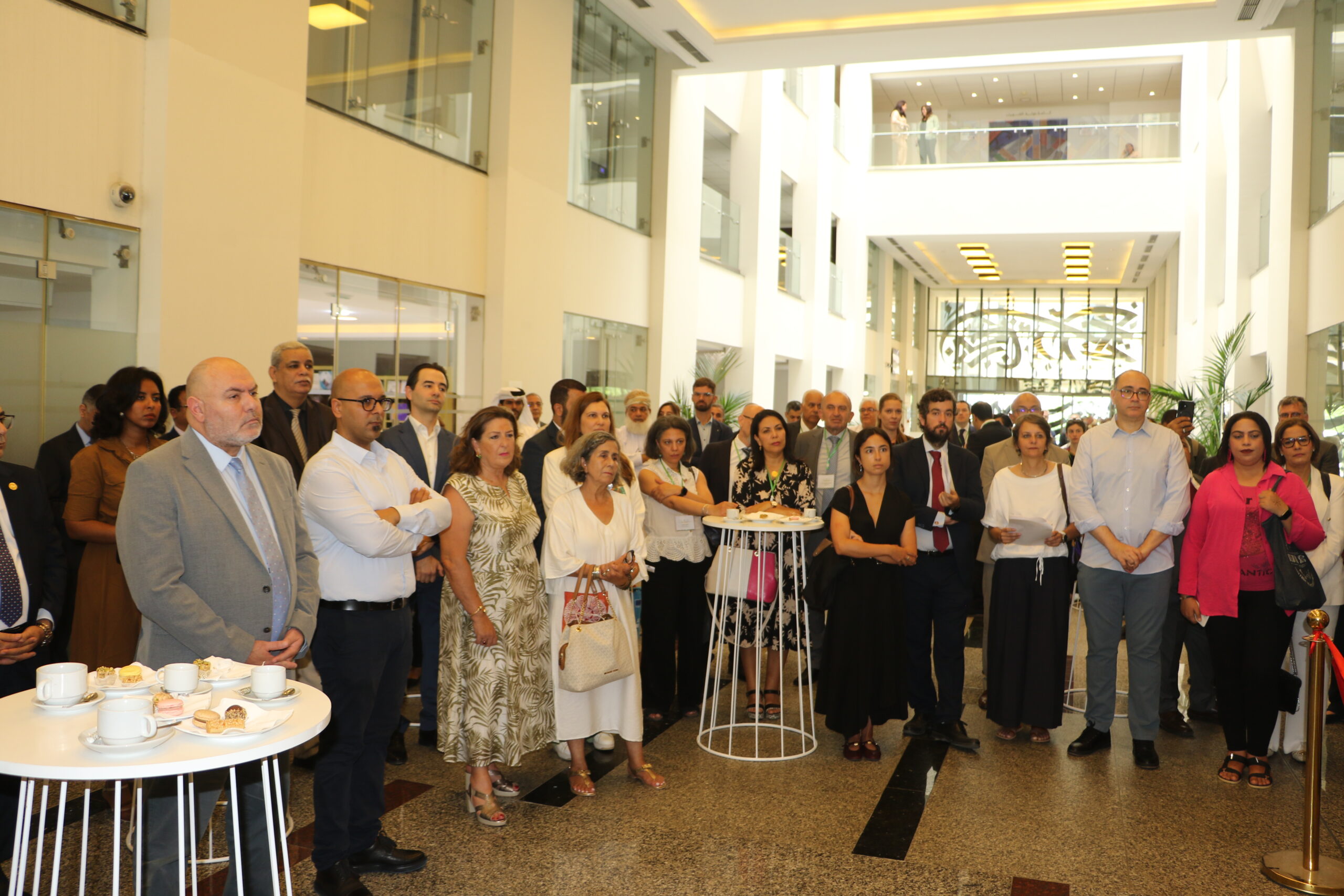
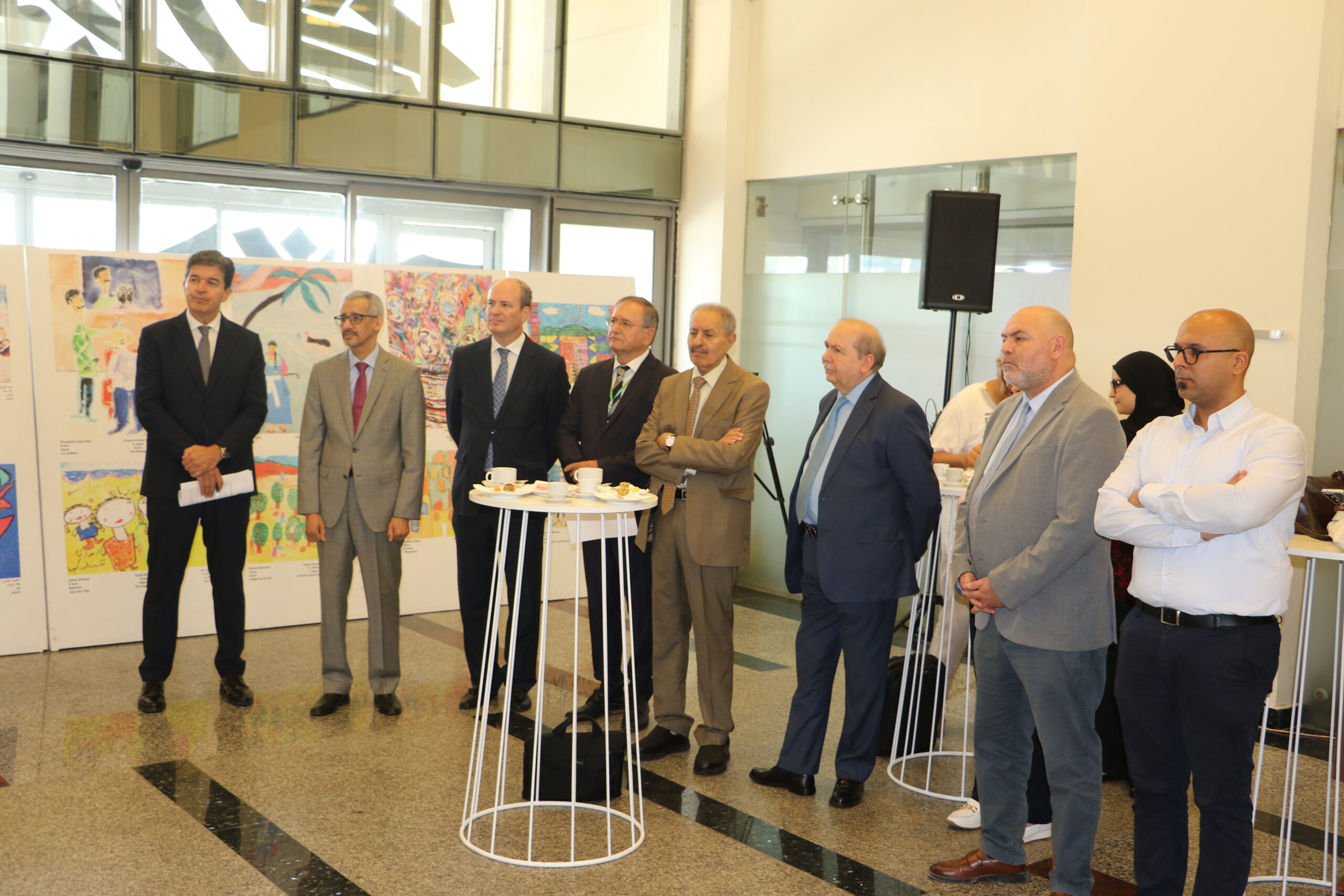
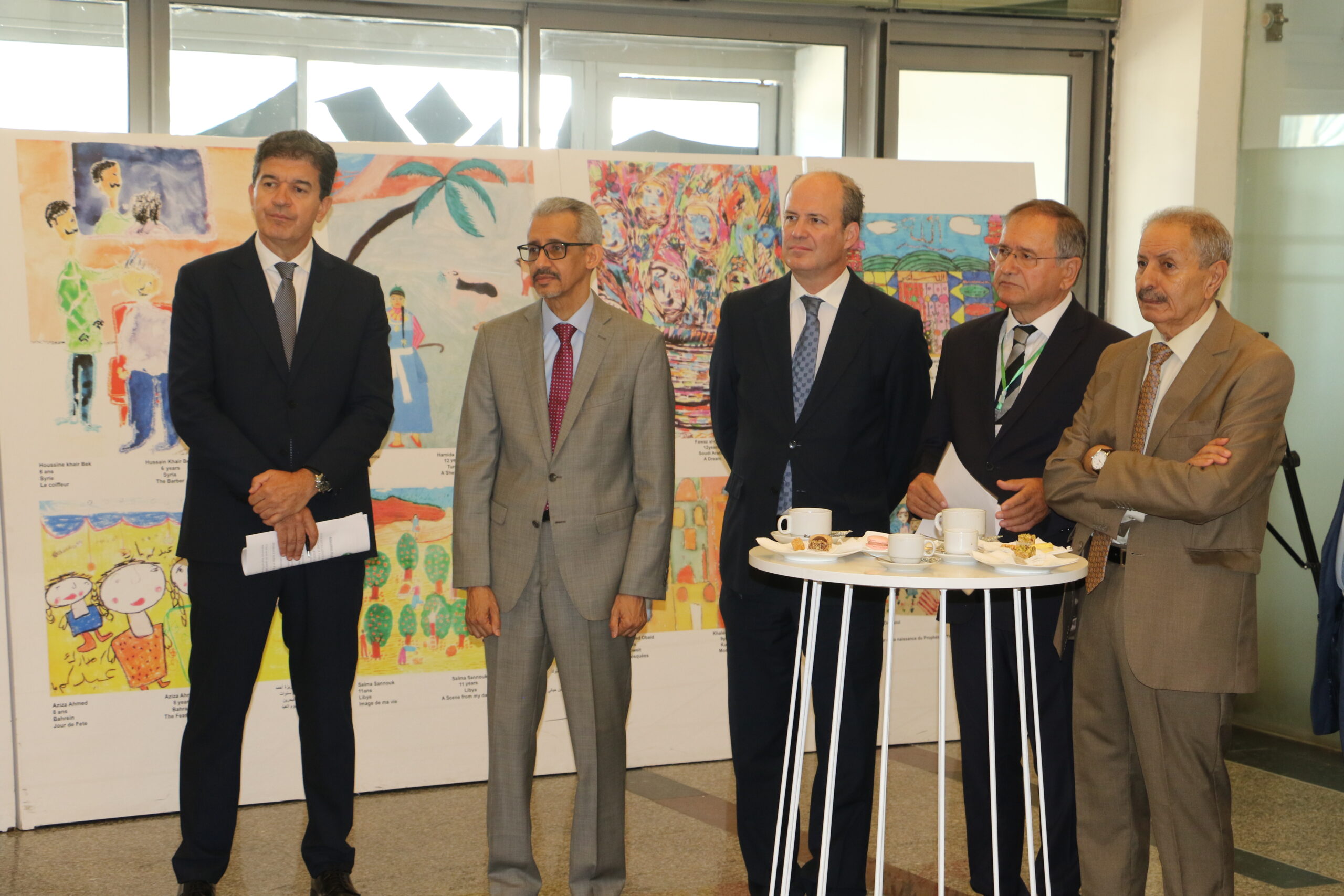
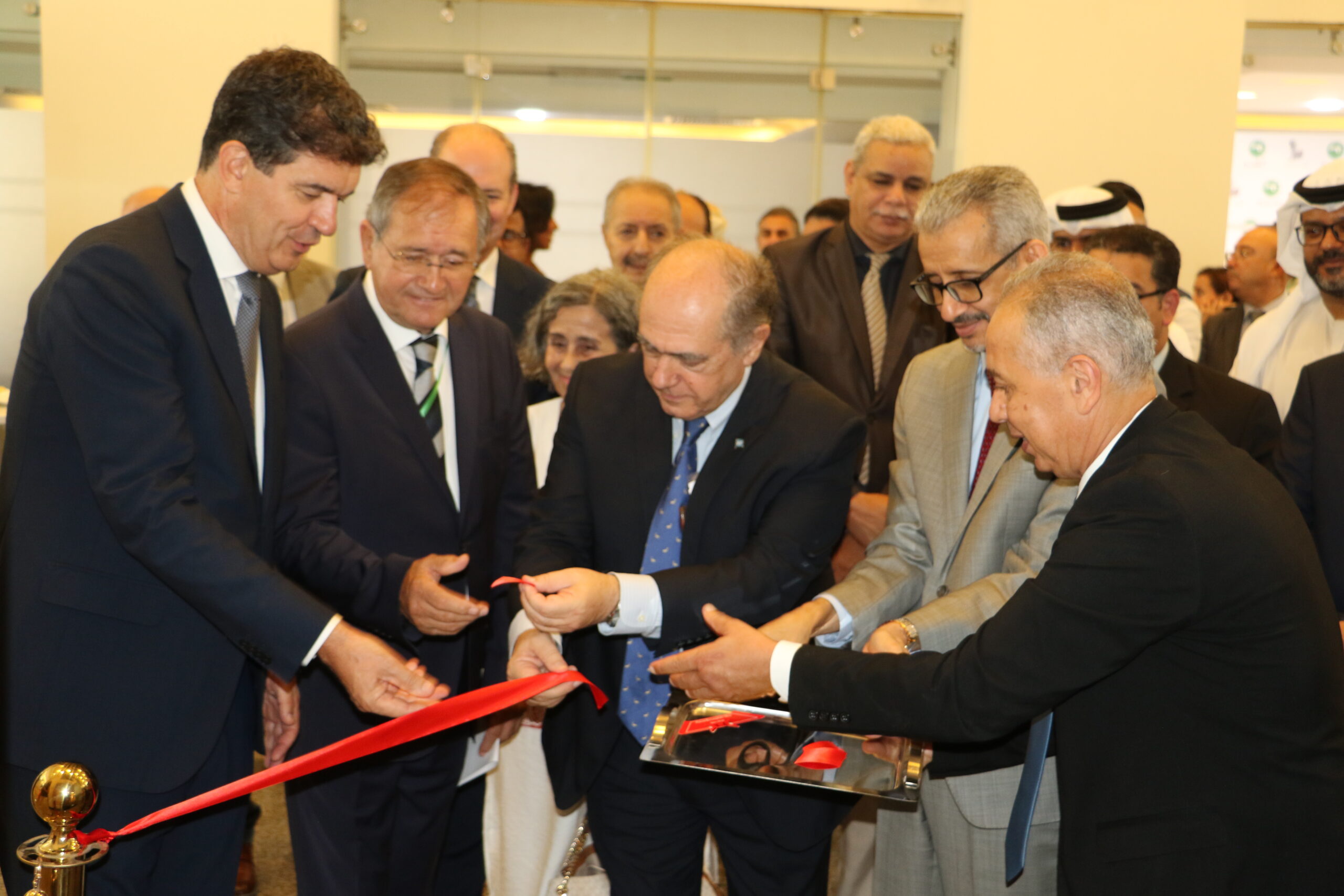
The opening ceremony was preceded by the inauguration of the IEMed exhibition entitled “A Sea of Heritages”, which celebrated the rich cultural diversity and shared heritage of the Mediterranean region.
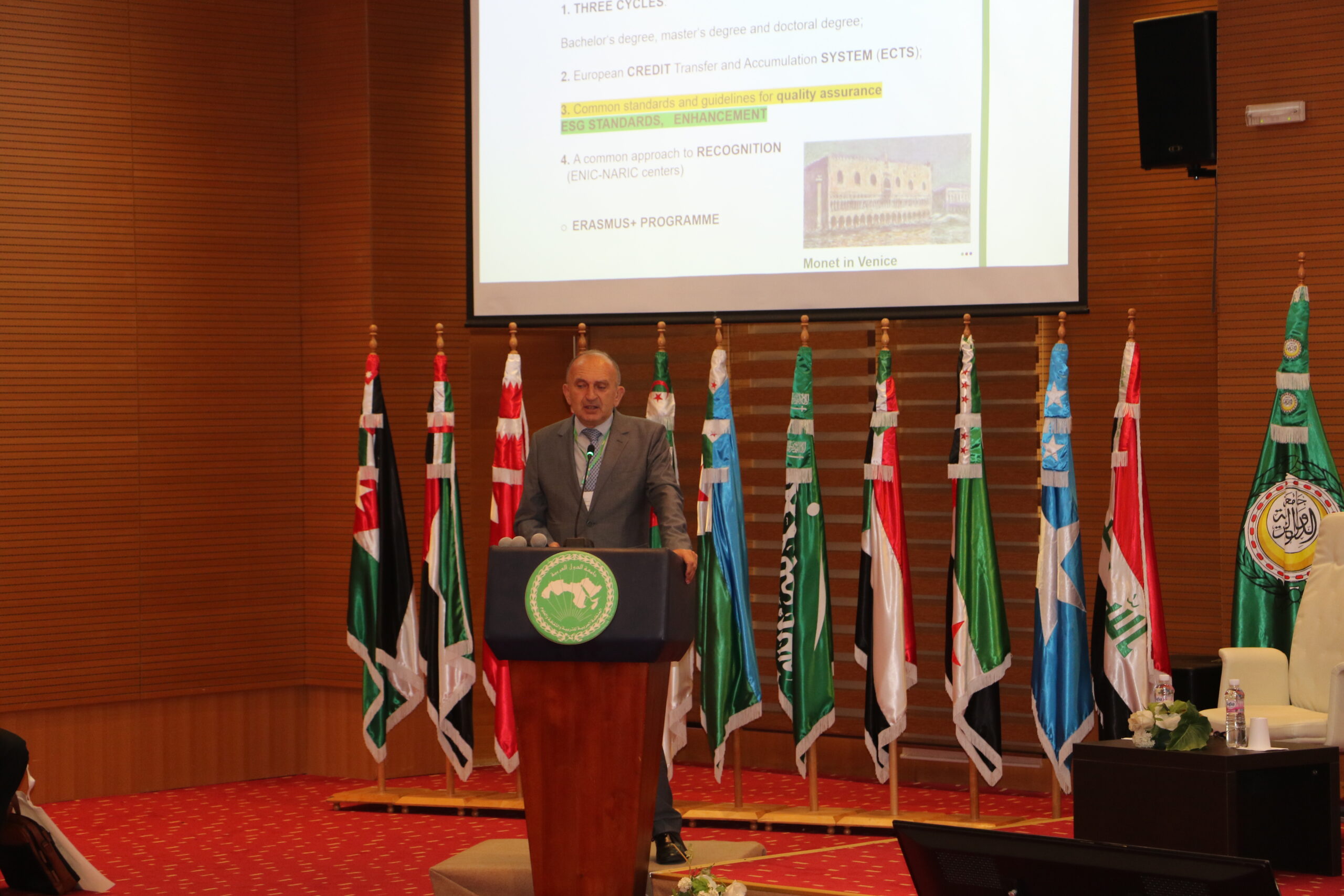
A highlight of the conference was the series of High-Level Keynote Interventions delivered by distinguished international figures. Participants had the opportunity to hear insights from H.E. Juan Lugo, Ambassador to the Special Mission for Mediterranean Affairs, Spain; H.E. Dr. Franci Demšar, Former President of the Central and Eastern European Network of Quality Assurance Agencies in Higher Education (CEENQA) and Director of the Quality Assurance Agency, Slovenia; and H.E. Prof. Dr. Usama Madi, Chief Executive Officer of Aqaba University of Technology, Hashemite Kingdom of Jordan.
The keynote speakers addressed emerging challenges and opportunities in higher education, research quality, innovation ecosystems, and regional cooperation, stressing the importance of collaborative action in building resilient educational systems capable of responding to future societal needs.
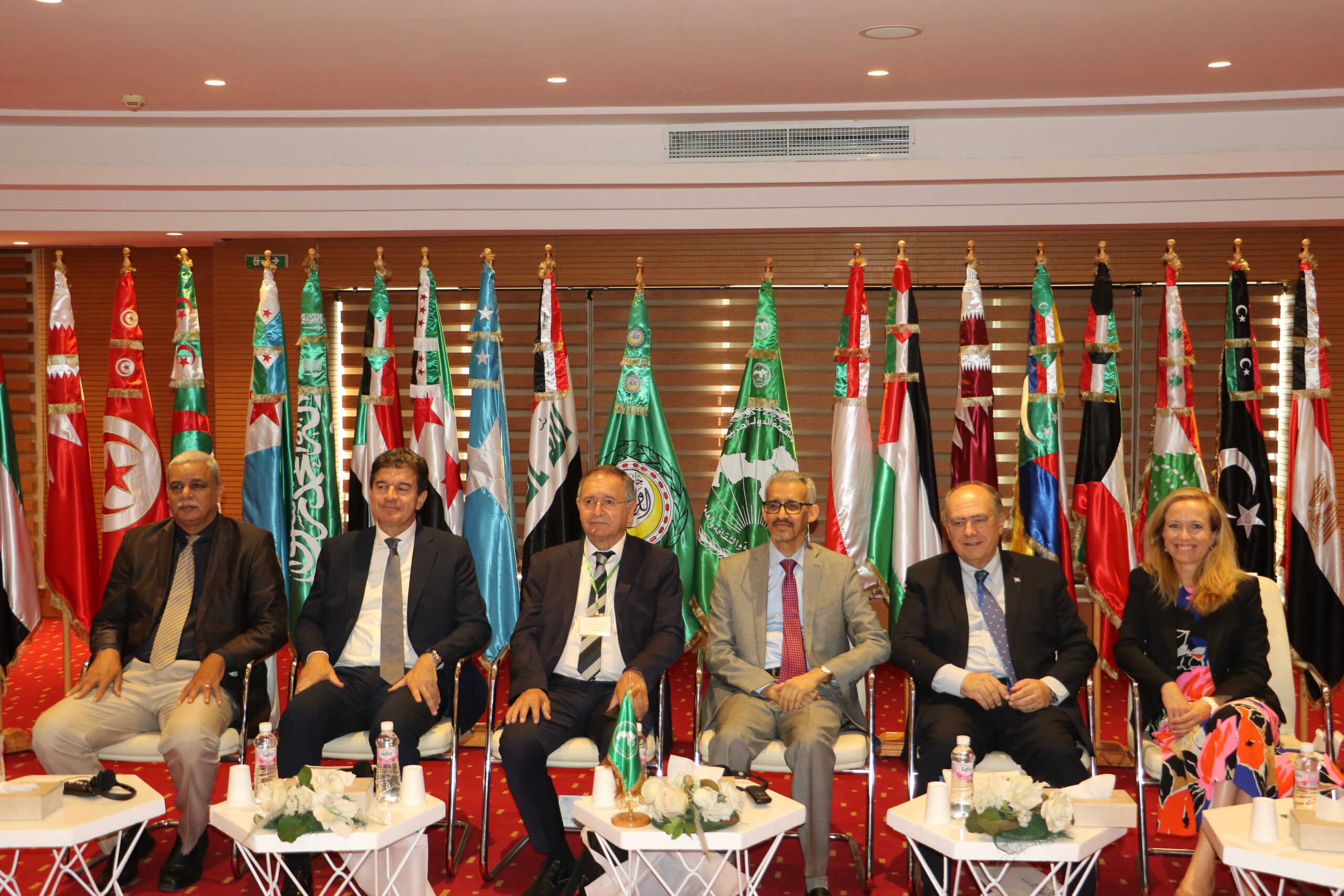
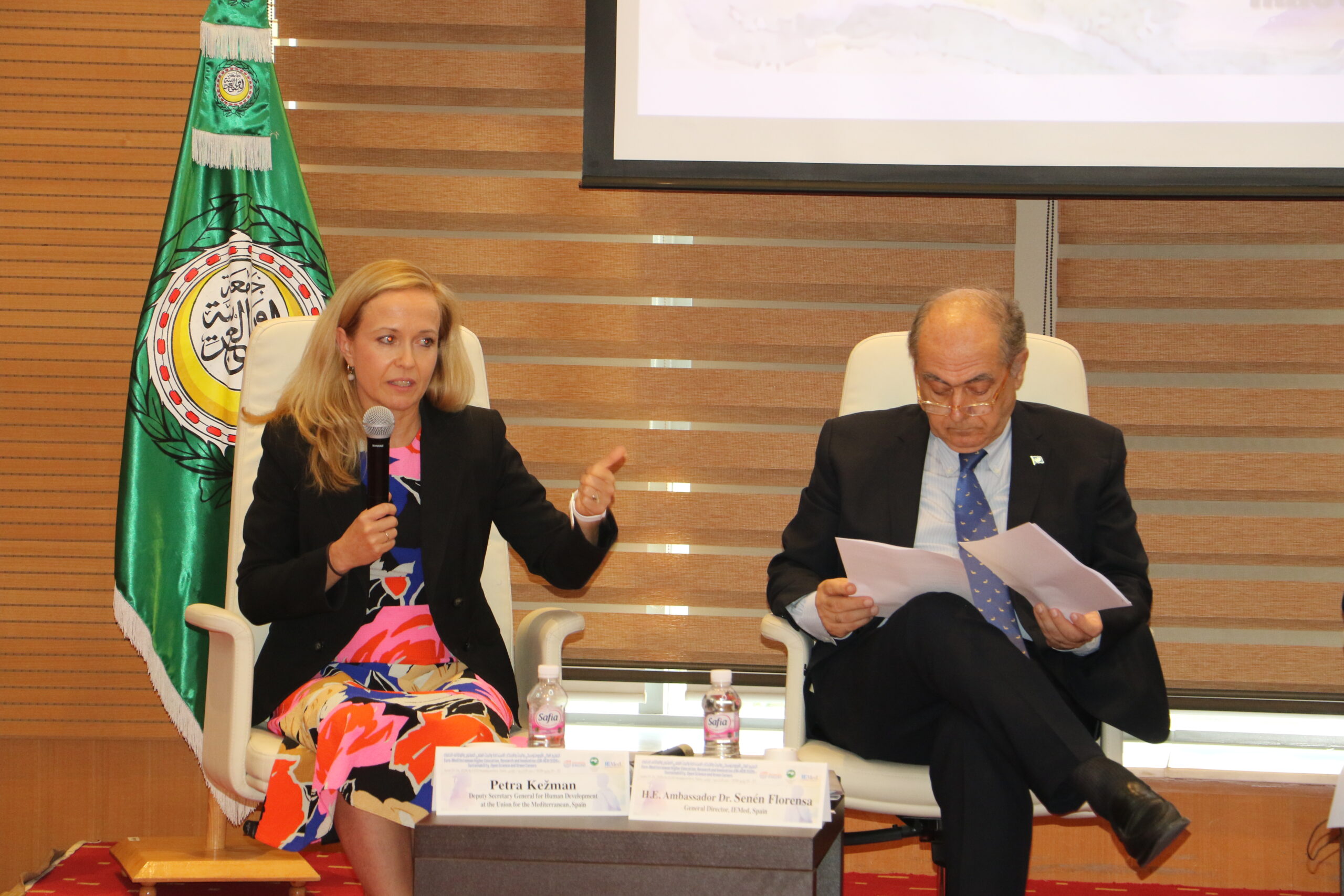
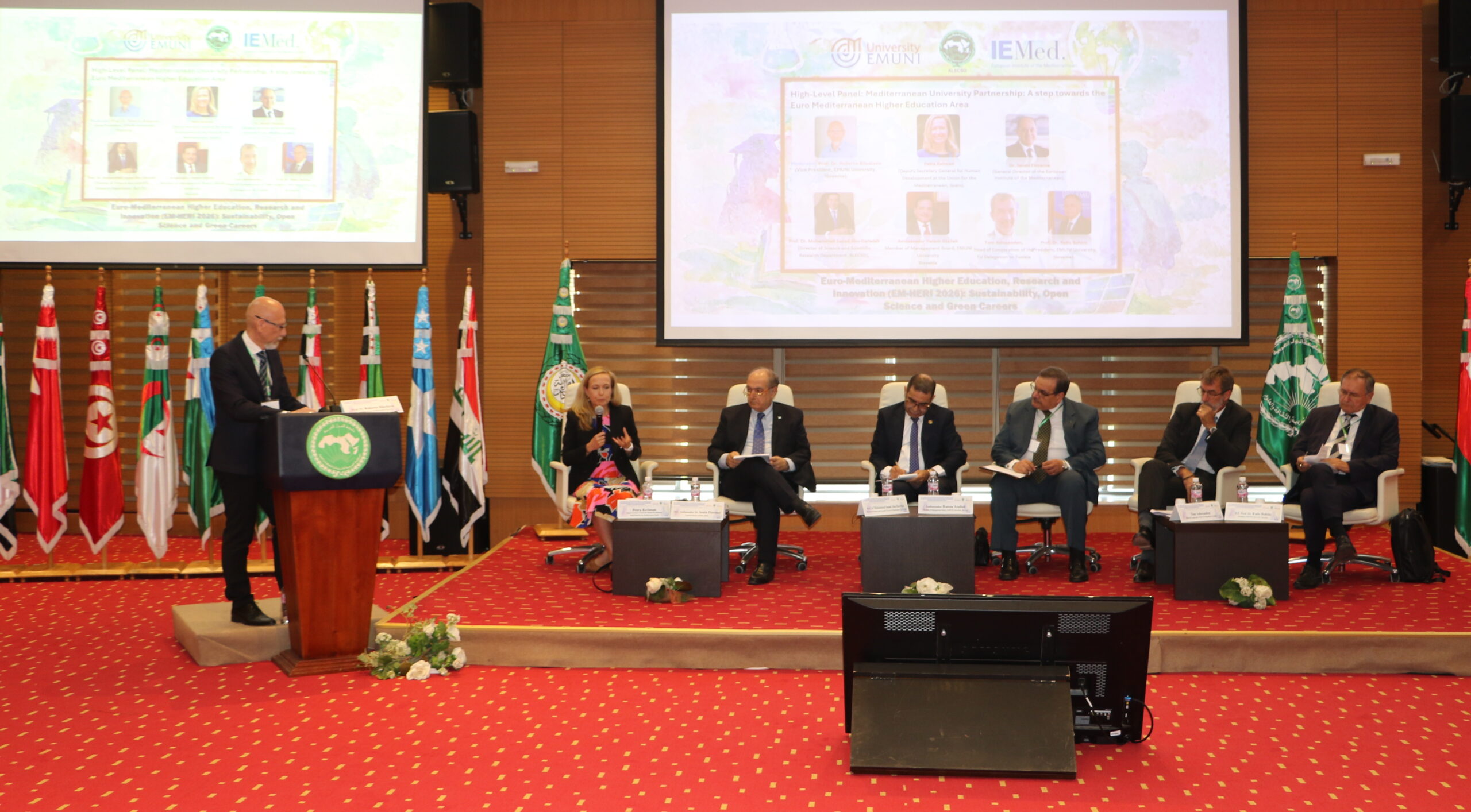
One of the central events of EM-HERI 2026 was the High-Level Panel on Mediterranean University Partnership: A Step Towards the Euro-Mediterranean Higher Education Area, moderated by Prof. Dr. Roberto Biloslavo, Vice-President of EMUNI University.
The panel brought together an outstanding group of experts and decision-makers, including Ms. Petra Kežman, Deputy Secretary General for Human Development at the Union for the Mediterranean; H.E. Ambassador Dr. Senén Florensa, General Director of IEMed; Prof. Dr. Mohammad Sanad Abu-Darwish, Director of Science and Scientific Research Department at ALECSO; H.E. Ambassador Hatem Atallah, Member of the Management Board of EMUNI University; Mr. Tom Ashwanden, Head of Cooperation of the European Union Delegation to Tunisia; and H.E. Prof. Dr. Rado Bohinc, President of EMUNI University.
Discussions focused on strengthening university partnerships, expanding academic mobility, promoting joint research initiatives, and laying the foundations for a more integrated Euro-Mediterranean Higher Education Area.
The conference continued with an in-depth examination of sustainability through Panel 1: Higher Education and Sustainability in the Euro-Mediterranean Region, moderated by Dr. Mounya Allali from the University of Eastern Piedmont, Italy.
The panel featured contributions from Prof. Dr. Mohammad Al-Badi, President of the Open Arab University, Sultanate of Oman; Prof. Dr. Saleh R. Abdussalam Gashoot, President of the University of Gharyan, Libya; Dr. Gino Schiavone, Senior Director of Internal Quality Assurance at the Institute of Tourism Studies, Malta; and Prof. Dr. Leila Chikhaoui Mahdaoui, Professor Emeritus at the University of Carthage and Former Minister of Environment, Tunisia.
Panelists discussed the strategic role of universities in promoting sustainable development, environmental responsibility, climate action, and societal transformation through education and research.
The afternoon programme featured Panel 2: Open Science, Research Excellence and Knowledge Sharing, moderated by Prof. Dr. Jaka Vadnjal of EMUNI University, Slovenia.
The session brought together Prof. Dr. Ajaoun Ahmed, Dean of the Faculty of Legal and Political Sciences at Ibn Tofail University, Morocco; Dr. Anna Walek, Chief Technology Officer and Head of Technology at OAPEN and DOAB, United Arab Emirates; Prof. Dr. Gassan Al-Kindi, Pro Vice-Chancellor for Research and Innovation at Sohar University, Sultanate of Oman; and Dr. Najwaa Fezaa Chriss, Director of Programs and Projects at the UNESCO Regional Center for Quality and Excellence in Education, Saudi Arabia.
The panel examined strategies for advancing research excellence, expanding access to scientific knowledge, strengthening international collaboration, and promoting open science practices as drivers of innovation and inclusive development.
The final thematic discussion, Panel 3: Green Skills, Innovation and Future Careers, was moderated by Mr. Paul Norris, Director of Credentialing and Evaluation at QuadraBay, United Arab Emirates.
Panelists included Ms. Siza Zaby, Managing Director of the European Board of Human Restart GmbH, Germany; Prof. Dr. Mustafa Abdalmajd Safa, President of Palestine Polytechnic University, Palestine; Prof. Dr. Heba F. Salem, President of 6 October Technological University, Egypt; Mr. Alessandro Miraglia, Team Leader for Networking, Partnership and Communication Facility at MedWaves, Spain; and Mr. Vladimír Hlásny, Economic Affairs Officer at the United Nations Economic and Social Commission for Western Asia (ESCWA) and FEMISE.
The discussion focused on the future of work, green transition policies, innovation-driven economies, sustainable employability, and the skills required to prepare future generations for emerging labor market demands.
The first day concluded with a high-level wrap-up session moderated by Prof. Dr. Anis Ben Amor, Ambassador of the Arab-German Young Academy of Sciences and Humanities (AGYA) for Tunisia and representative of the Higher Institute of Humanities at the University of Tunis El Manar.
The panel featured Prof. Dr. Mohamado Lemrabott Jeyied, President of the University of Islamic Sciences in Aioun, Mauritania; Prof. Dr. Georg Votava, Vice President of IHM – Institute for Technology-Based Education in Health, Management and Social Services International, Austria; Prof. Dr. Chokri Hamouda, President of the Continuous Professional Development Unit at the Arab Board of Health Specializations under Arab League Countries; and Prof. Dr. Zahi Mohammed of Ibn Tofail University, Morocco.
The speakers reflected on the conference outcomes and identified opportunities for strengthening long-term academic, scientific, and institutional partnerships throughout the Euro-Mediterranean region.
Alongside the policy discussions, EM-HERI 2026 hosted an extensive Scientific Session featuring international researchers presenting work under three thematic tracks: Sustainability, Climate Action and Green Skills for Future Careers, moderated by Prof. Dr. Gemma Aubarell of IEMed; Research, Innovation and Open Knowledge for Inclusive Development, moderated by Prof. Dr. Mirella Korzeniewska-Wiszniewska of Jagiellonian University in Kraków, Poland; and Arab–Euro-Mediterranean Cooperation, Entrepreneurship and Economic Diversification, moderated by Ms. Karen Gladović of EMUNI University.
The second day of the conference included the General Assembly of EMUNI University, attended by members of the EMUNI Network, followed by a strategic roundtable organized by ALECSO under the title “Arab-European Integration Initiative for Joint Scientific and Academic Mobility.”
The roundtable brought together university presidents, directors, institutional leaders, and representatives of participating organizations to discuss the establishment of a comprehensive framework for enhanced academic mobility, greater recognition of qualifications, increased scientific cooperation, and stronger institutional partnerships between Arab and European higher education systems.
The discussions resulted in a shared commitment to continue advancing collaborative initiatives that strengthen educational quality, research excellence, international mobility, and sustainable development across both regions.
As EM-HERI 2026 came to a close, participants emphasized that the conference had successfully created a dynamic platform for dialogue, partnership-building, and knowledge exchange. The event reinforced the vital role of higher education and research institutions in addressing contemporary global challenges and highlighted the importance of continued cooperation between Europe, the Mediterranean, and the Arab world.
Through the active participation of distinguished ambassadors, university presidents, directors-general, senior academics, researchers, policymakers, and international organizations, EM-HERI 2026 marked a significant milestone in advancing the shared vision of a stronger, more innovative, and more interconnected Euro-Mediterranean higher education and research community.