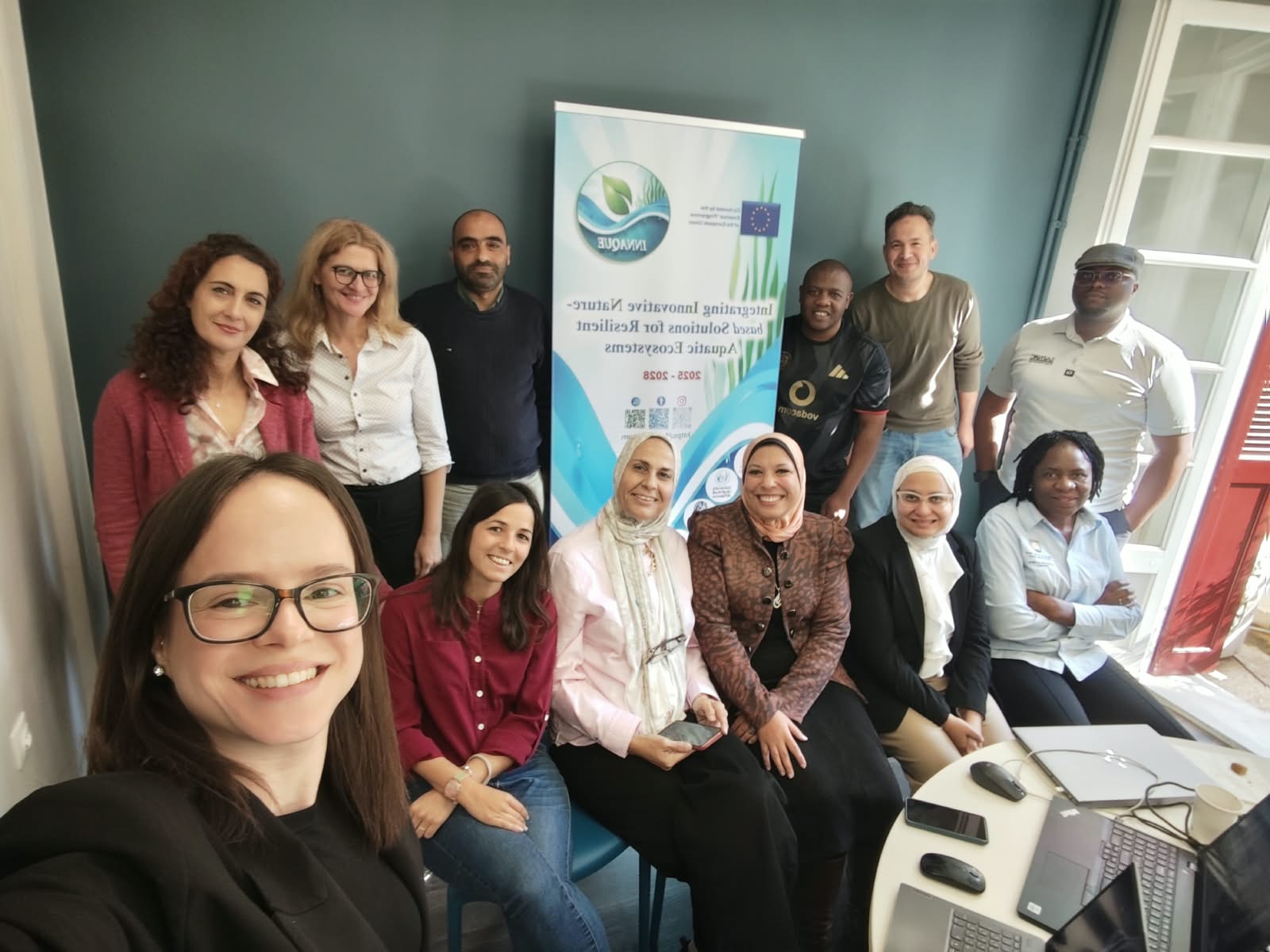
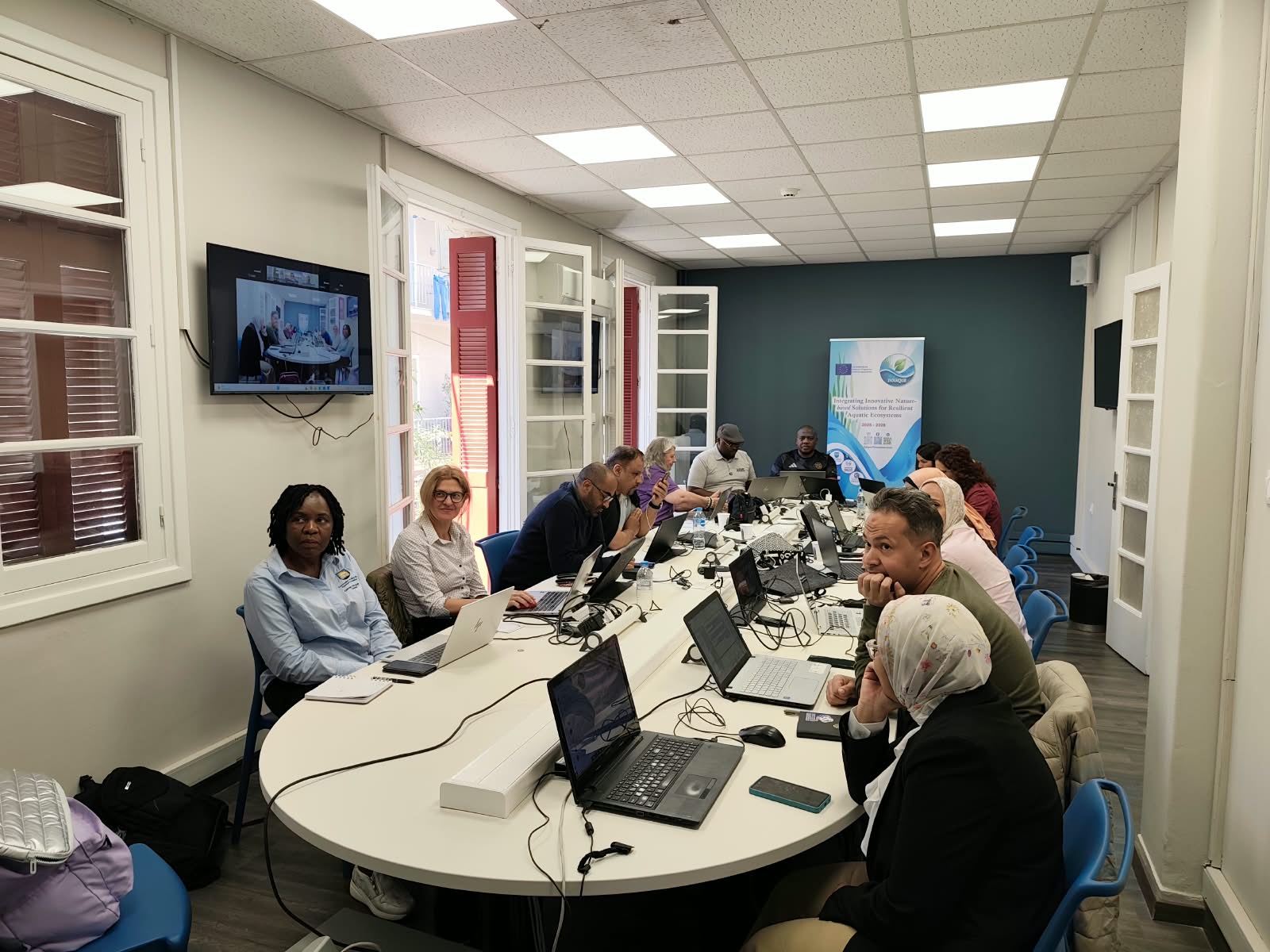
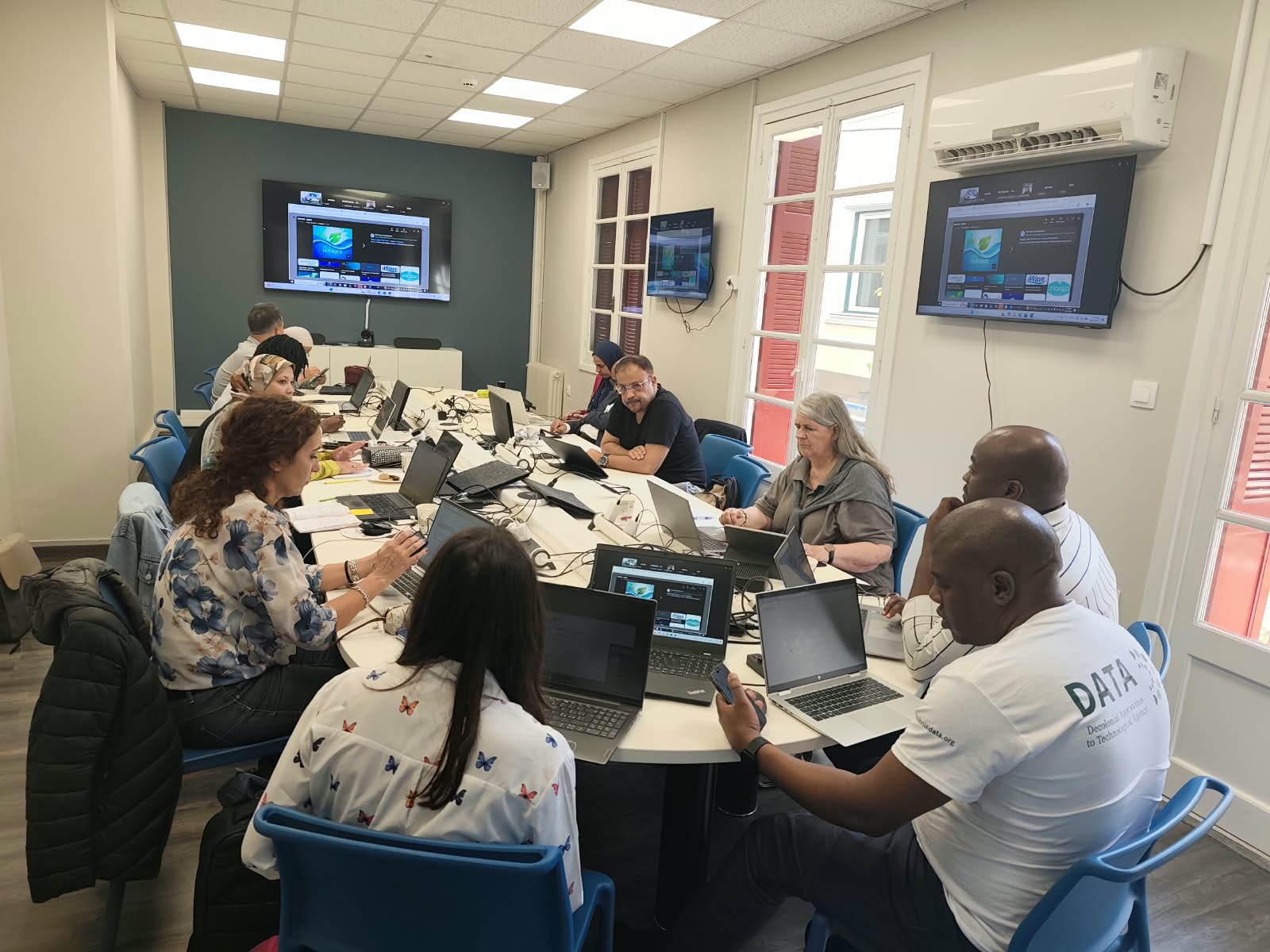
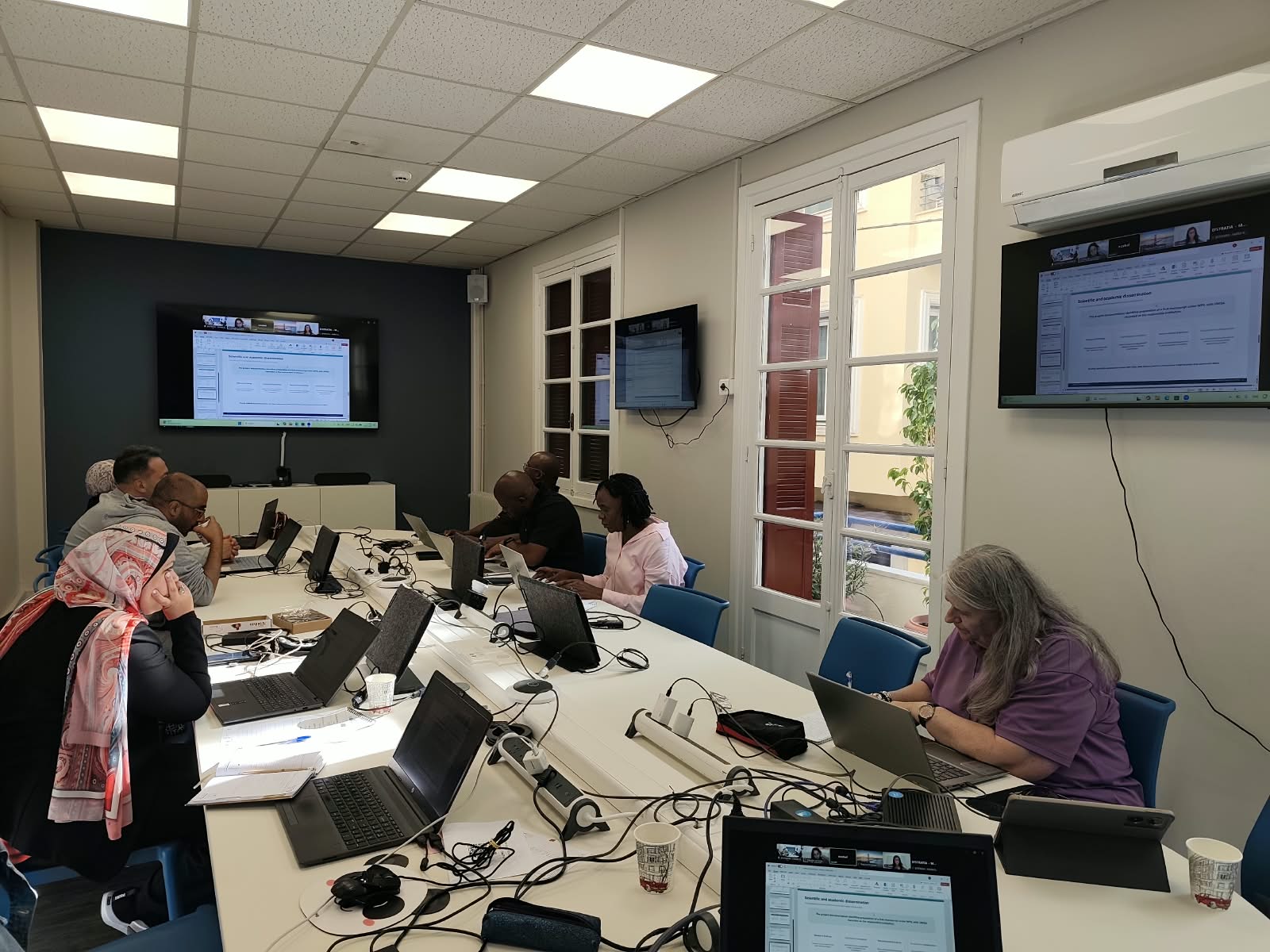
EMUNI University participated in the 3rd INNAQUE Workshop on Curriculum Design Review and Teaching Material Development, held from 22 to 25 October 2026 in Athens, Greece. The workshop was hosted by the University of the Aegean within the framework of the EU co-funded INNAQUE project – Integrating Innovative Nature-based Solutions for Resilient Aquatic Ecosystems, coordinated by Alexandria University, Egypt.
The four-day event brought together project partners to review progress in curriculum development, exchange experiences, and advance the design of innovative educational programmes addressing aquatic ecosystem resilience and nature-based solutions.
The workshop focused on reviewing course syllabi, intended learning outcomes, teaching materials, teaching strategies, and student assessment methods. Particular attention was given to ensuring coherence across the five AquaSMART thematic pillars, identifying potential curriculum gaps and overlaps, and strengthening interdisciplinary approaches to education.
Partners also presented progress in their respective academic programme development activities and discussed quality assurance, accreditation considerations, and the next steps for project implementation.
EMUNI contributed to the workshop discussions, particularly those related to dissemination and communication, project activity documentation, and dissemination tracking. These activities are essential to strengthening the visibility of project results, facilitating knowledge exchange, and ensuring effective communication among project partners and wider audiences.
The programme also included discussions on upcoming workshops and activities, risk monitoring, and an educational field visit connecting theoretical knowledge with practical applications.
Through its active participation in INNAQUE, EMUNI continues to strengthen its engagement in international academic cooperation, innovative higher education, and sustainable approaches to environmental challenges, particularly those affecting aquatic and coastal ecosystems.
The workshop represented another important opportunity for project partners to coordinate their efforts and advance the development of educational resources and programmes supporting more resilient aquatic ecosystems.